
I have tried a lot of barefoot shoes over the years, hoping for something that would finally help with my sore feet and achy knees.
Most of the time, the shoes I tried in the past left my toes cramped or my heels sore after a long day out hiking. So they were basically a bust.
In this Grounded Footwear review, I decided to give these barefoot shoes a chance. I heard a lot of buzz about them. So I thought why not?
I was looking for some grounding shoes and these seemed to fit the bill.
These are my findings after using them for the past 6 months.
Key Specs
🛡️ Traction: Slip-resistant outsole for steady grip on multiple surfaces.
📦 Shipping: Ships within 48 hours via USPS, delivery typically in 2 to 5 business days.
💨 Materials: Breathable and lightweight upper designed to fit like a second skin.
🎯 Heel Drop: Zero or minimal heel drop to encourage natural foot posture.
🦶 Sole: Thin and flexible sole enhancing ground sensory feedback.
🦵 Insole: Shock-absorbing insole to reduce repetitive impact on joints.
👣 Toe Box: Single, wide toe box allowing natural toe spread and grip.
🪶 Weight: Claims to be 70 percent lighter than typical shoes in its category.
🔄 Return Policy: Offers a 30 Day Money Back Guarantee for buyer confidence.
Exclusive Grounded Footwear Discount For Our Readers
We’ve managed to get a pretty substantial discount on Grounded Footwear for our readers. However, due to its popularity and the substantial discount, there’s a possibility it might sell out soon. So if you’re considering this, now might be the best time.
Click Here To Get Grounded FootwearDeep Dive Video Review
Check out this short and to the point deep dive on these grounding barefoot shoes.
If you prefer to watch rather than read. Well, this will give you everything you need to know…
Key Takeaways
⚪ The shoes offer a wide toe box and thin, flexible sole to encourage natural foot movement and enhanced ground feel.
⚪ Breathable, lightweight materials help reduce foot fatigue during long wear, making them comfortable for daily use.
⚪ Slip resistant soles provide solid traction, improving safety on slippery or uneven surfaces.
⚪ Users with foot and joint pain might find relief due to the shoe’s design that reduces pressure and impact on multiple joints.
⚪ Grounded Footwear is recommended by specialists for ergonomic support but lacks detailed clinical studies to fully back its health claims.
⚪ There is no clear guidance on how long it takes to adjust to this style, so users new to barefoot shoes should transition gradually to avoid discomfort.
⚪ Sizing advice helps customers pick their regular size or size up if between sizes, though more precise measurements could improve fit decisions.
Pros Of These Grounding Shoes – What I Like
✔️ Wide Toe Box Allows Toes to Spread Naturally
The spacious single toe box gives toes plenty of room to spread out instead of being cramped. This design reduces compression on sensitive areas of the foot, which often causes pain or deformities like bunions. It also encourages toes to grip the ground, helping with balance.
This natural toe placement can relieve pressure on the forefoot and reduce common foot problems. It’s especially beneficial for conditions like plantar fasciitis where less squeezing is key. The overall toe freedom supports a healthier, more functional foot shape and movement pattern.
For anyone who struggles with narrow shoes, this roomy toe box can offer a much-needed break from discomfort.
✔️ Versatile for Daily, Work, and Outdoor Use
It’s rare to find shoes that fit so many situations without changing your footwear constantly. Grounded Footwear grounding shoes can be worn around town, at work, or on light outdoor excursions. This means fewer shoes to manage if you want one pair for multiple environments.
The design balances style with function, so it doesn’t look out of place indoors or outside.
This adaptability adds real convenience for users who want comfort and support without sacrificing appearance. It also means the shoe covers lots of bases, from casual errands to active workdays.
Having one reliable shoe makes daily dressing easier, especially if your life includes a mix of activities and surfaces.
✔️ Slip-Resistant Traction for Safety
One of the main features is its outsole designed to reduce slipping risks. The slip resistant grip works on different surfaces, making it safer for people working in kitchens or walking outdoors. This gives peace of mind when moving across wet or slick floors where falls can happen easily.
Grounded Footwear hiking shoes stand out for their ability to maintain traction even on uneven ground. This is valuable for anyone who needs stable footing whether during work shifts or casual outdoor activities. The grip can prevent accidents in everyday situations where regular shoes might fail.
Anyone concerned about balance or prone to slips and falls will appreciate this feature. It effectively adds a layer of protection without sacrificing the barefoot feel.
✔️ Shock-Absorbing Insole Reduces Impact
These shoes include an insole designed to soften the repeated impact from walking or standing. That cushioned layer helps protect joints like knees, hips, and even the lower back. It works by absorbing some of the shock that would otherwise travel up the leg.
People who spend a lot of time standing or walking will find this helpful in reducing aches or early fatigue. The shock absorption protects against the wear and tear typically caused by hard floors or long hours on feet. This is a practical feature for workers or anyone wanting a little extra comfort in daily life.
By focusing on impact reduction, these shoes aim to support joint health, which many shoes neglect entirely.
✔️ Promotes Natural Foot Motion
These barefoot shoes are built to let your feet move more naturally compared to traditional, cushioned shoes. The wide toe box means toes can spread out instead of being squished, which helps maintain normal foot mechanics. The minimalist design means less interference with how your foot typically functions during walking or standing.
By allowing more natural movement, Grounded Footwear helps reduce the risk of problems caused by stiff or poorly designed shoes. For people switching from regular shoes with raised heels and thick padding, these barefoot shoes can help retrain foot muscles. This makes them a good pick for anyone wanting to improve their foot health through more natural use.
The overall feel is less restricted and more like walking barefoot but with necessary protection. That’s a reason the shoe might fit those searching for a shoe that supports natural biomechanics.
✔️ Endorsed by Orthopedists and Podiatrists
The Grounded Footwear shoes come with the backing of specialists who focus on foot health. Orthopedists and podiatrists recommend them for their ergonomic design, which can be reassuring for those with chronic foot issues. This kind of expert approval suggests the shoes are designed with medical insight, not just fashion or style.
This endorsement means the shoes might help prevent or reduce foot pain and discomfort caused by improper footwear. For anyone who is picky about what they wear on their feet because of existing problems, this recommendation carries weight. It also shows that Grounded Footwear takes foot health seriously from a clinical perspective.
Those seeking shoes that combine comfort and health benefits will appreciate knowing these experts support the design. It adds confidence for buyers wanting footwear that won’t worsen foot or joint issues over time.
✔️ Thin Sole Increases Sensory Feedback
The thin and flexible sole places the foot closer to the ground, which boosts sensory cues during steps. This amplified feedback helps improve balance and awareness of your surroundings. It can be particularly useful for people needing better stability or proprioception.
With more ground feel, users can make small adjustments while walking to prevent trips or missteps. The barefoot style encourages a more responsive gait that traditional thick-soled shoes don’t allow. This feature supports users who want to sharpen their foot awareness and reduce their fall risk.
Better sensory input helps reconnect feet with the surface beneath to make walking feel more natural.
✔️ Sizing Guidance Reduces Uncertainty
The brand provides straightforward advice on how to pick the right size. You’re told to choose your usual shoe size or size up if you are between sizes. This simple recommendation helps cut down on fit guesswork before you order.
Shoes that don’t fit well often cause frustration and returns, so this clear sizing tip improves the buying experience.
It works to reduce hassle by guiding customers towards a more comfortable first fit. This is useful for people new to barefoot footwear or trying out Grounded Footwear for the first time.
While precise measurements aren’t given, the straightforward guidance is a step towards easier online purchase decisions.
✔️ Lightweight Design Reduces Fatigue
Grounded Footwear shoes are claimed to weigh 70 percent less than conventional footwear. This huge drop in weight means less effort with every step when standing or walking for hours. Lightweight shoes can help reduce tiredness in feet and legs by easing the physical load.
For jobs requiring long periods on your feet, or for anyone sensitive to heavy shoes, this difference is important. Carrying less shoe weight translates directly to feeling less worn out at day’s end. This benefit also helps boost endurance and comfort during casual or work activities.
Minimal weight makes these shoes feel less like a burden and more like a natural part of your body.
✔️ Aims to Strengthen Foot and Leg Muscles
By encouraging natural foot movement, these shoes help build the muscles in your feet and lower legs over time. This contrasts with traditional shoes that rely heavily on thick padding and elevated heels which can weaken muscles. Using Grounded Footwear barefoot shoes gradually challenges the foot to do more work.
Stronger foot and leg muscles can improve overall stability and reduce the chance of injury. This can especially benefit those recovering from foot issues or anyone wanting to improve their physical function for everyday tasks. The shoe supports a better, more active foot posture rather than lazy dependence on cushioning.
It can be a gradual change, but the muscle strengthening is a key selling point for these minimal shoes.
✔️ Breathable Materials Improve Comfort
The lightweight and breathable fabrics used in these shoes feel like a second skin on your feet. This means you can wear them for long hours without feeling overheated or sweaty. It’s an important feature for warm weather or for people who stay on their feet all day.
Grounded Footwear barefoot shoes help keep moisture under control. This reduces the chance of blisters or discomfort that often come from trapped heat. Foot fatigue can also drop when you don’t have to battle sweaty, tight shoes over time.
For anyone who struggles with foot irritation in closed footwear, the breathability makes a noticeable difference in overall comfort during daily activities or work.
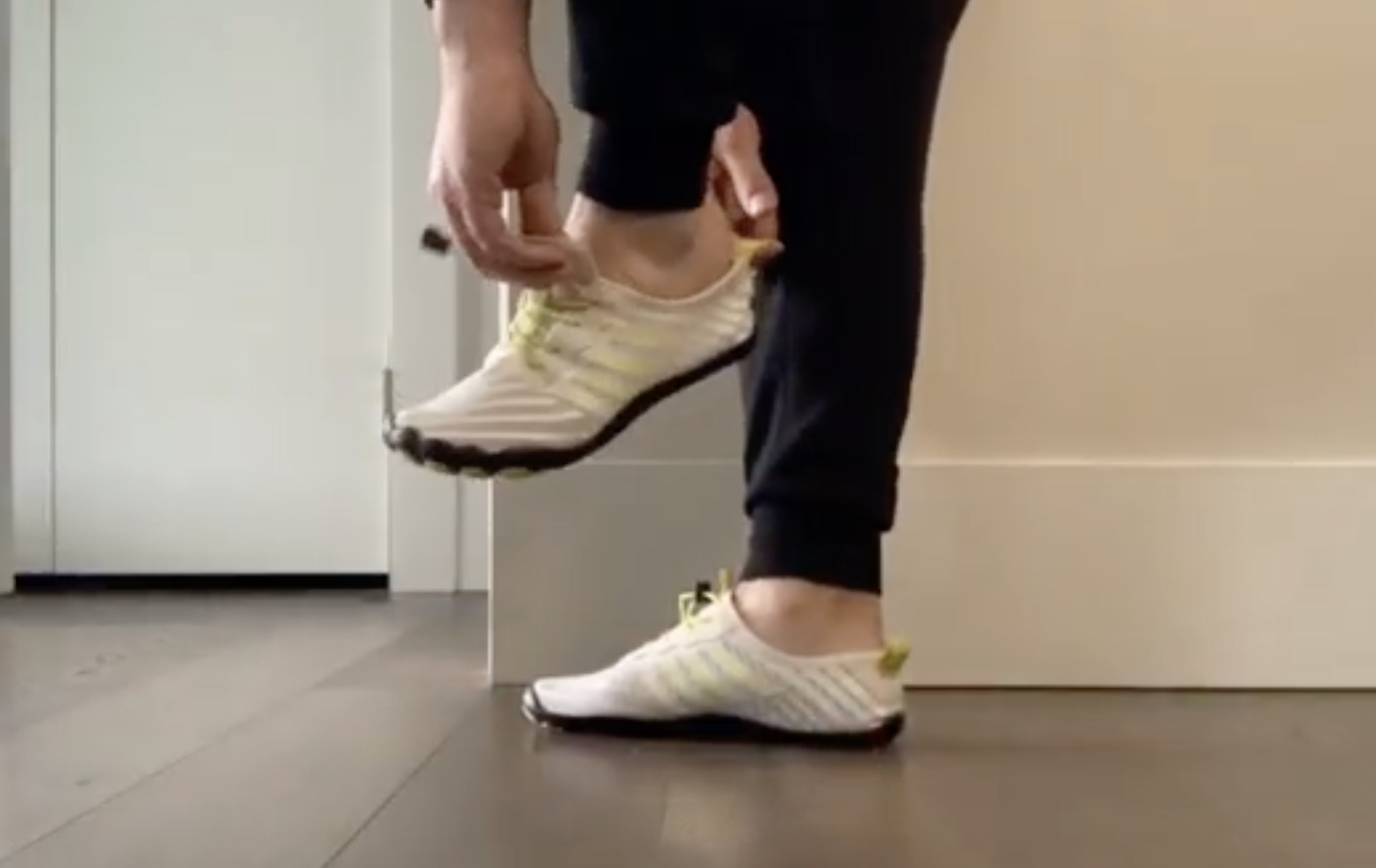
Cons Of These Barefoot Shoes – The Bad
⛔ Limited Material Transparency
The information on fabric types and construction details is quite vague. Grounded Footwear barefoot shoes only mention breathable and lightweight materials without specifying what those materials actually are.
This lack of detail can be a concern if you have allergies or sensitivities to certain fabrics. It also makes it harder to judge durability or how well these shoes will hold up over time.
If you are sensitive or highly particular about shoe composition, this omission means you might have to contact customer support or rely on user reviews for more clarity before buying.
⛔ Effectiveness May Vary by Condition Severity
The footwear claims to help a broad range of foot and joint issues, such as bunions, plantar fasciitis, and neuropathy. However, the product messaging does not clarify that benefits depend a lot on individual anatomy and how severe your condition is.
Those with advanced arthritis or serious neuropathy might not experience significant pain relief just by wearing Grounded Footwear shoes. Relying solely on these shoes without professional guidance could delay proper treatment.
It is wise to use this footwear as part of a broader management strategy and consult with healthcare providers to set realistic expectations.
⛔ No Backing from Clinical Studies
Despite claims that the footwear reduces joint pain and strengthens muscles, there are no cited clinical trials or scientific data to support these benefits. Grounded Footwear shoes are promoted largely on user reports and expert endorsements, but objective measurements are missing.
This makes it difficult to know what level of relief or improvement to expect or how long it takes to see results. Buyers who prioritize evidence-based products may find this a shortcoming.
You might want to consult a healthcare professional before assuming these shoes will significantly alter chronic conditions like arthritis or neuropathy.
⛔ Sizing Advice Lacks Precision
The sizing tips suggest ordering your usual shoe size or choosing one size larger if between sizes. While this is a starting point, it does not offer exact measurements like length or width in millimeters. Grounded Footwear grounding shoes still leave some ambiguity, especially if you have unusually narrow or wide feet.
This can lead to less confident first purchases and possible returns or exchanges due to fit problems.
Precise fit info would help shoppers find the best match quickly. If you struggle with fit, consider trying the shoes at a physical location first or ordering multiple sizes to test before keeping one.
⛔ No Clear Guidance on Transition Period
Shifting to barefoot-style shoes usually requires an adjustment phase to avoid foot soreness or injuries. However, Grounded Footwear hiking shoes provide no advice on how to transition gradually or how long that process might take.
Without this guidance, new users risk overdoing it and causing discomfort or harm to their feet and legs.
Those unfamiliar with minimalist shoes could face setbacks due to a lack of recommended wear schedules or exercises.
This con could be somewhat mitigated by researching barefoot shoe break-in routines independently or speaking to a podiatrist for personalized transition plans.
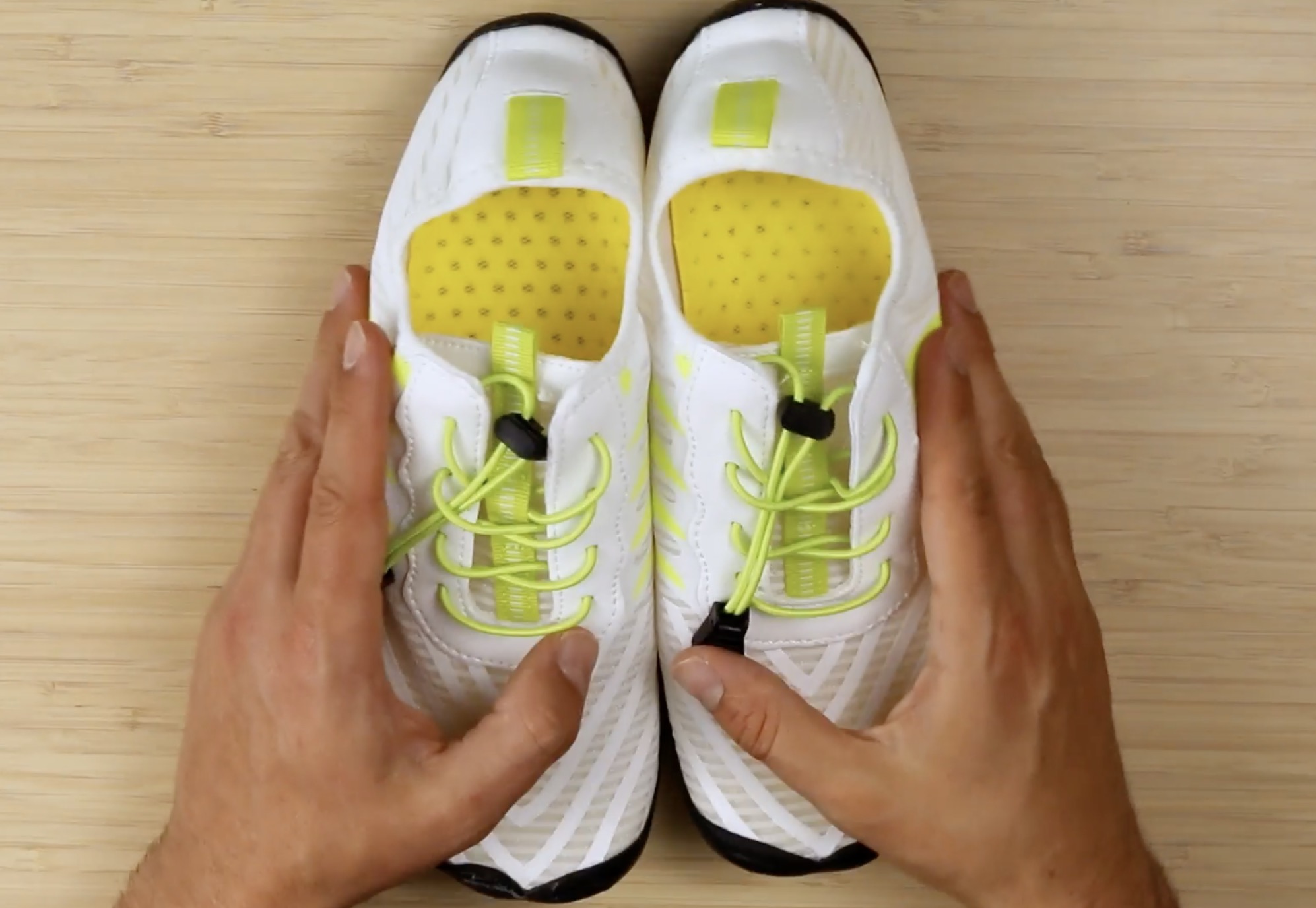
How Grounded Footwear Actually Work
Grounded Footwear barefoot shoes offer a design that encourages the foot to move naturally by providing ample room for the toes to spread out comfortably.
This is achieved through a wide, single toe box that prevents scrunching, allowing the toes to grip the surface directly. The flexible, thin sole lets the foot remain close to the ground, increasing sensory input from each step.
The sole’s flexibility adapts to the ground beneath, providing more feedback compared to thicker, rigid soles. This closer contact is meant to engage the foot’s natural sensors, helping the body adjust balance and posture instinctively. At the same time, the insole adds a layer of shock absorption that works to soften repetitive forces without interfering with movement.
On the bottom, the outsole features slip-resistant traction designed to maintain grip on multiple surfaces. This traction aids in steady footing while walking or standing, especially on smooth or damp terrain. The materials used throughout the shoe are lightweight and breathable, designed to mold to the shape of the foot and allow air flow, which keeps the foot cool over time.
The shoe’s zero or minimal heel drop aims to keep the foot positioned more naturally, which encourages a gait pattern closer to barefoot walking. The close conformity of the breathable upper fabrics acts almost like a second skin, reducing restrictions on foot movement and maintaining comfort when worn for long hours.
When these elements come together, the shoe lets the foot function with less interference. It supports movement patterns that use the foot’s muscles and nerves efficiently while still offering basic protection from external conditions. The packaging and ordering process ensures shipping is handled quickly, with deliveries typically arriving within a few days.
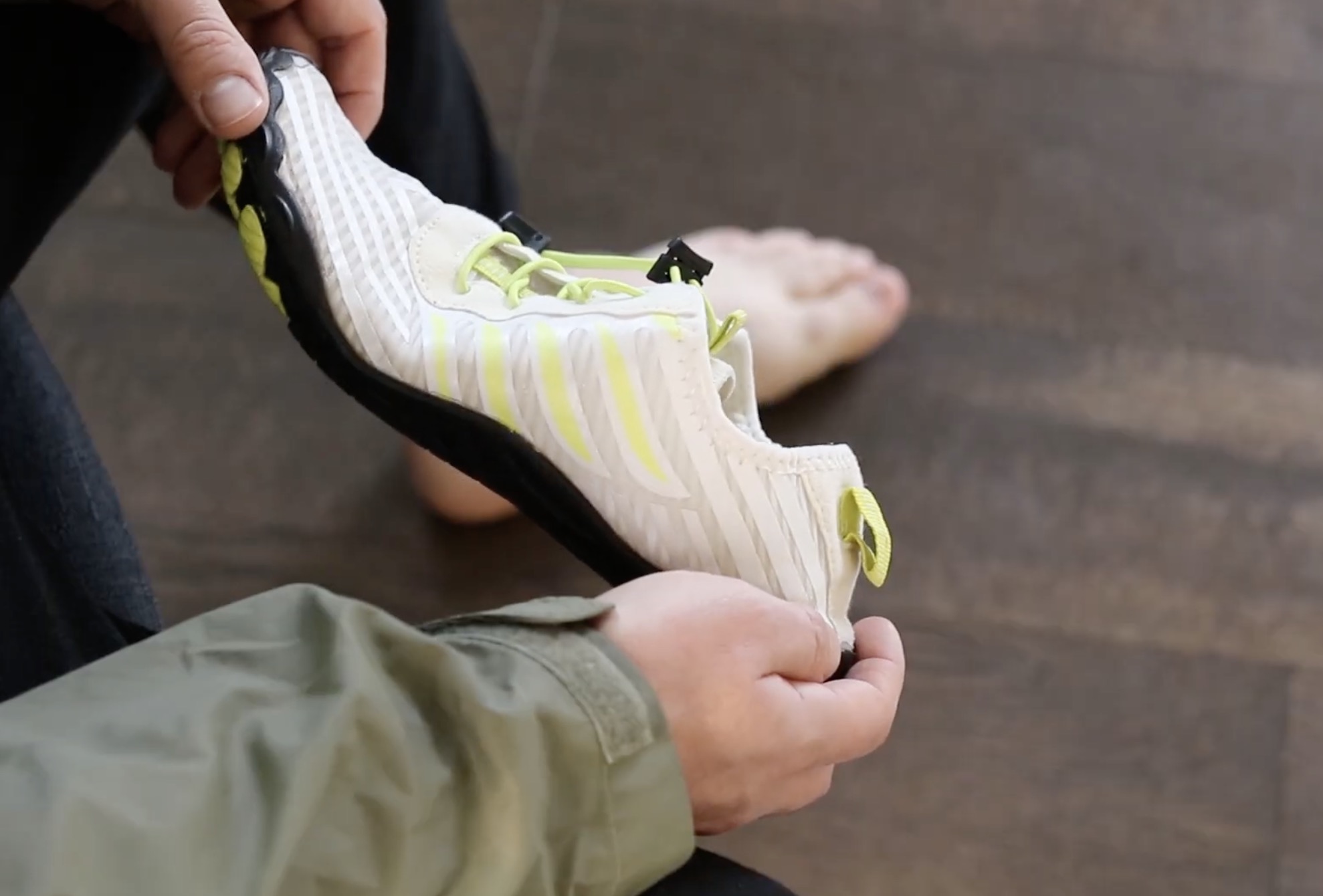
Exploring The Science Of Grounding Shoes
The science behind Grounded Footwear barefoot shoes rests on principles of biomechanics and sensory feedback. Allowing toes to spread naturally helps restore the foot’s intrinsic alignment, which is often compromised by traditional footwear. This wider toe box supports the redistribution of pressure across the forefoot, reducing localized stress that typically contributes to issues like plantar fasciitis and bunions.
A thin, flexible sole plays a key role in enhancing proprioception. By minimizing the barrier between the ground and the foot, these shoes allow nerve endings in the soles to receive more detailed input about surface texture and pressure changes. This heightened sensory feedback helps improve balance and coordination by activating subtle reflexes that stabilize gait.
The nearly zero heel drop encourages a neutral foot posture during walking or standing. It avoids pushing body weight forward onto the balls of the feet or heels in an unnatural way. This promotes a more biomechanically efficient stride, reduces strain on the Achilles tendon, and better aligns the ankle, knee, and hip joints. Over time, encouraging a natural gait can help strengthen lower limb muscles that support joints and maintain posture.
Cushioning inside the footwear absorbs repetitive impact forces as the foot strikes the ground. Unlike thick, heavily cushioned soles that can interfere with foot mechanics, a shock absorbing insole here dampens vibrations without eliminating ground feeling. This reduces joint stress transmitted up through the ankles, knees, hips, and lower back while allowing natural movement patterns.
Slip resistant traction on the outsole stabilizes the foot during stance phases, especially on slick or uneven terrain. Grip is crucial for preventing falls, which can be particularly problematic as balance diminishes with age or injury. The traction design supports safe, confident motion by increasing friction where foot meets ground.
The breathable, lightweight materials that form the shoe’s upper layer allow for air exchange and moisture evaporation from the skin. This prevents sweat accumulation that can lead to discomfort or skin breakdown. The close fitting nature of these fabrics also supports the foot like a “second skin,” imposing minimal restriction while maintaining necessary structural support.
Muscle strengthening happens gradually as the foot bears more natural loads and executes a fuller range of motion.
Without reliance on elevated heels or rigid soles, muscles such as the plantar intrinsic group, tibialis anterior, and calf muscles engage more actively. That increased activation encourages tissue remodeling and functional gain, which can help counteract weakening from disuse or poor footwear habits.
Interestingly, sensory enhancement by barefoot shoes is similar to the way unshod walking increases the brain’s representation of the feet. When ground contact is direct and varied, neural pathways involved in balance and foot control become more refined. This adaptability leads to improved postural stability and more precise foot placement in varied environments.
One overlooked detail is the role of impact attenuation that does not hinder sensory input.
Grounded Footwear hiking shoes use materials engineered to absorb just enough shock to protect joints without dulling sensation. It’s a delicate balance between protecting structures and maintaining essential feedback loops that guide motor control.
Finally, the mechanics of toe splay enabled by the wide toe box align with anthropological insights into human foot evolution. Human feet evolved to function as adaptable, multi segmented units during barefoot locomotion. Restricting this natural spread with narrow or constrictive footwear interrupts necessary biomechanical functions, whereas allowing the toes to engage fully reactivates those functions.
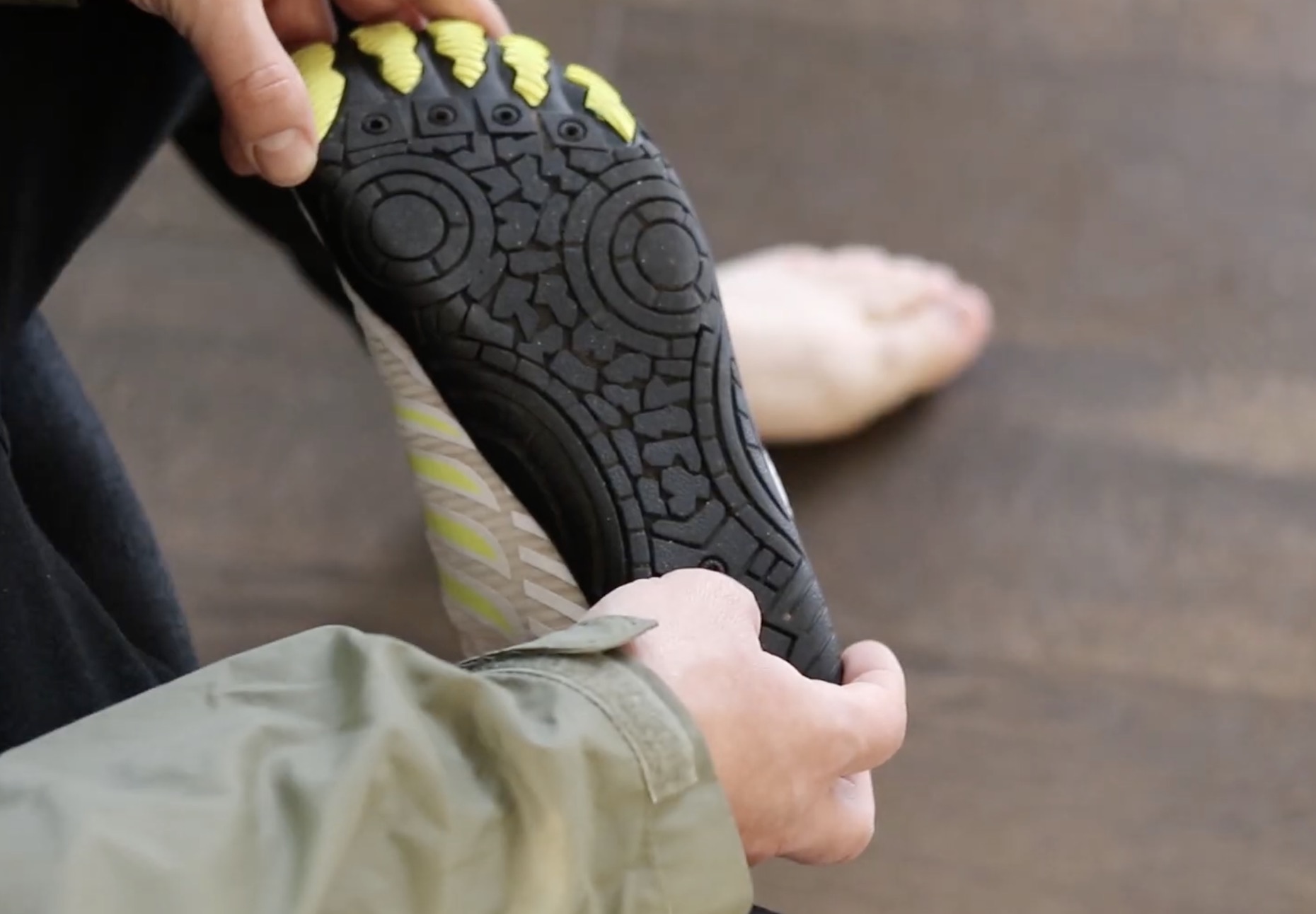
My Full Story
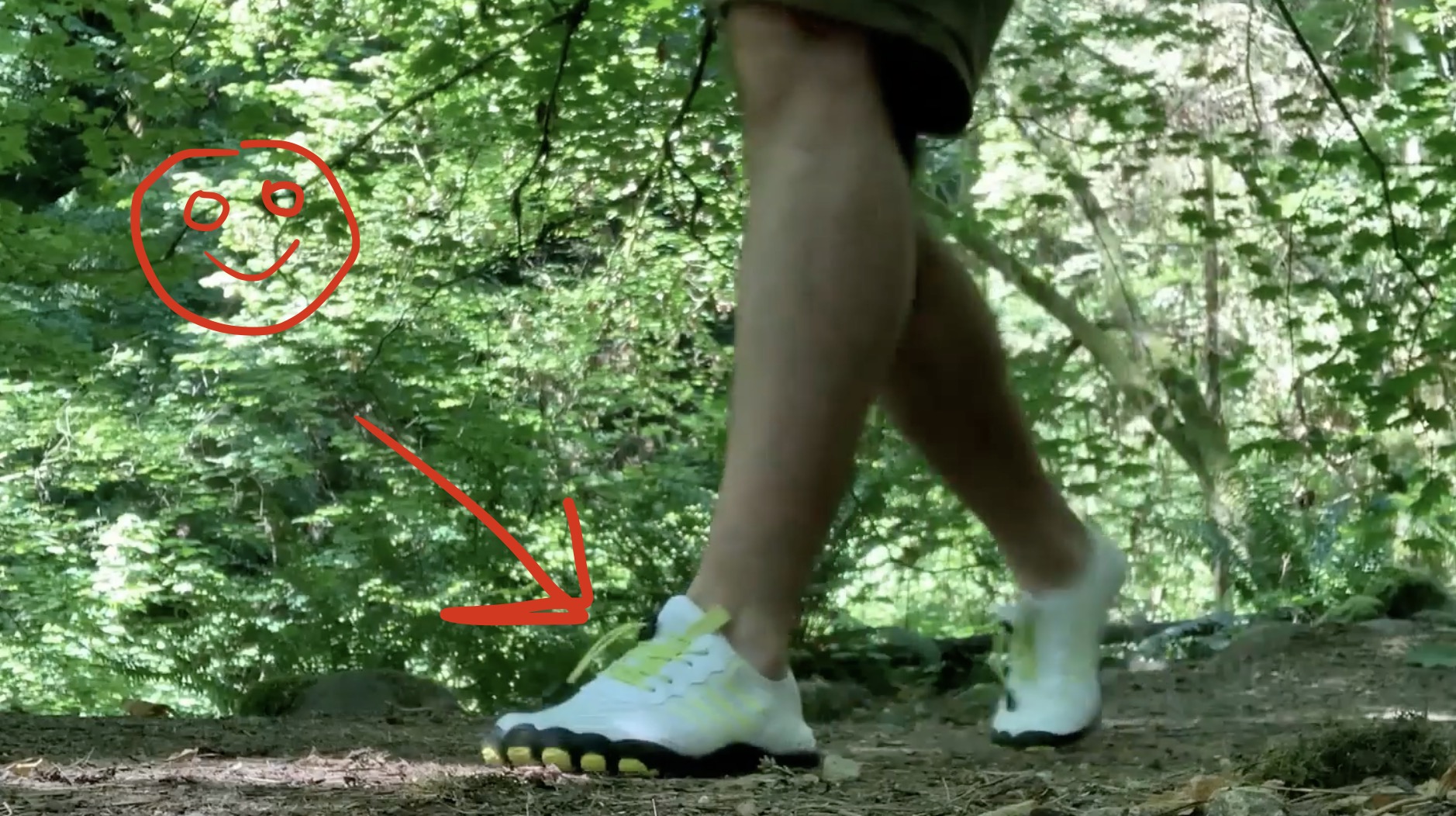
Putting on the Grounded Footwear barefoot shoes felt strange at first. The wide toe box gave my toes room to spread out like they hadn’t in years. It took a moment to get used to that loose feeling after wearing regular shoes. The lightweight materials almost made the shoes feel like a second skin, which was nice on hot days. My feet stayed cooler, and there wasn’t that usual sweaty buildup that happens in heavier shoes.
Walking around on the thin, flexible sole took some adjustment. The ground felt a lot more real underfoot. It was almost like my bare feet were back in action with every step.
That extra sensory feedback helped with balance, especially on uneven surfaces. I did notice that my feet and calves worked harder because the shoe encouraged more natural motion. There was a definite learning curve toward using different muscles, but over time, the stretch and movement felt good instead of tiring.
I usually stand for long stretches at work, and these shoes reduced the usual foot aches. The shock absorbing insole softened each step just enough without cushioning too much. That helped cut down on knee and hip stiffness by evening. The slip resistant grip came in handy on slick floors too. I had fewer moments of sliding or catching my balance. The shoes handled errands, light outdoor walks, and even some quick hikes without any problem. Versatility seemed built in.
Sizing was mostly straightforward, but I had to size up slightly from my normal shoes to avoid feeling cramped. That bit of advice was crucial, though I wish there were more precise measurements available. Switching from traditional cushioned shoes to these barefoot shoes required some patience.
At first, my feet felt sore after longer wear, probably due to muscle reactivation. That period didn’t last too long. After getting through it, the comfort and freedom were unexpected bonuses.
One thing that stood out was how different these shoes feel when coming off compared to when putting them on. Taking them off was like a relief, but after using them for a while, I started to miss the natural foot movement when I wasn’t wearing them.
There was a slow buildup of strength I could sense in my feet and lower legs. It was subtle but real enough to keep me reaching for these shoes when possible.
The shoes lack detailed info on materials or durability, so it’s hard to judge long term wear.
Still, the lightweight design cut down fatigue noticeably during long days on my feet. I wouldn’t say these shoes are a magic fix, but they do address some common foot and joint flare ups by encouraging a more natural way to walk.
Fit and comfort varied a bit depending on the activity and time of day, but the overall feel stayed consistent. That cautious initial adjustment was worth the shift to a more grounded style of footwear.
Is This Right For You?
Grounded Footwear shoes can fit into so many different parts of daily life. I’ve found they don’t only appeal to people with foot pain. Folks from all sorts of backgrounds, routines, and habits find reasons to keep wearing these.
Sometimes it’s comfort. Sometimes it’s safety. For others, it’s just curiosity or a mindset shift.
Here’s who I picture making the most of these barefoot shoes:
Skeptical Shopper With Chronic Pain This user is tired of bold promises from every new footwear company. They’ve tried five inserts, bought arch supports, and still wake up limping.
The endorsements from real specialists and the clear focus on natural movement make these shoes worth a real test drive. They might still be wary, but they’re ready to try something different.
Older Adult Focused On Staying Independent This is a person who worries about balance or falls. They pay close attention to comfort and traction, maybe because of an old injury or a recent scare. For them, the supportive grip and improved stability help keep walks around the block or trips to the store much safer, warding off fears about stumbling.
Each of these people comes to barefoot shoes for a different reason.
What they share is a real world need for comfort, safety, or just a better experience from their shoes. I’m convinced it’s that combination that helps Grounded Footwear find fans beyond just the classic “runner” or fitness crowd.
Minimalist Who Wants Only One Pair Some people hate clutter. They want a “one shoe fits most” life. These grounding shoes work for them—it’s the shoe that rolls from morning errands to light hikes without looking totally out of place at lunch. They value the simple, second skin comfort more than fancy looks or brand names.
Busy Healthcare Worker On Their Feet Imagine the nurse, caregiver, or anyone hustling through long shifts on hard hospital floors. Their feet always hurt by the end of the day. They don’t want bulky shoes or heavy sneakers. Instead, they need something that breathes, cushions, and feels steady. Grounded Footwear hiking shoes offer pain relief, especially for anyone fighting foot and knee aches after clocking out.
Active Outdoor Enthusiast This is the person who loves hiking, walking trails, or running errands with the dog.
They crave a shoe that won’t weigh them down or make their feet hot and sweaty after hours of movement. The grip and lightweight feel make them ready for just about anything outdoors, from the dog park to a local trail, without missing a beat.
Parent Trying to Keep Up Life is chaotic for parents, whether chasing toddlers on playgrounds or hauling groceries. They want something easy to put on, forgiving if their feet swell, and sturdy enough to prevent slips at the playground or backyard. The wide toe box and slip resistant sole fit their busy lifestyle when they barely get a moment to think about shoes.
Here’s My Verdict
Trying out Grounded Footwear gave me a clear sense of the barefoot shoe experience. The fit feels very natural since the wide toe box actually lets toes spread out instead of being cramped. That wider shape, combined with the thin, flexible sole, really makes the foot more aware of where it’s stepping. It’s easy to see how this could help balance and muscle strength over time, though I think people new to barefoot shoes should take it slow to avoid soreness.
The lightweight materials live up to the claim of feeling like a second skin. They kept feet cool during longer wear, which is something I don’t usually find in other shoes I have. The slip resistant grip was reliable too, offering steady traction on different surfaces. It’s probably not for everyone, especially if you want more cushioning or if you have very specific size needs, since details about stretch or exact measurements are missing.
Overall, this Grounded Footwear review gave me a lot to consider about minimalist shoes that aim to support foot health without bulk. If you spend a lot of time on your feet or want to try a more natural shoe with ergonomic backing, it might be worth giving these shoes a shot. The promise of less joint pain and improved foot strength is appealing, and even using them part time could show a difference. Thanks for reading this Grounded Footwear review and thinking it through with me.
User Questions And Answers
Q: What does it feel like to wear these barefoot shoes compared to regular shoe styles?
They feel like a second skin since the materials closely conform to your foot. The thin sole lets you sense the ground better, giving feedback that can improve your balance.
Unlike cushioned or heeled shoes, these promote a natural foot posture and movement, which feels less restrictive.
Q: Can I wear these shoes all day without my feet getting tired?
Yes, the materials used are very light and breathable, so your feet stay cool and comfy longer. The shoes are about 70 percent lighter than many other types, which helps reduce fatigue when standing or walking a lot. Plus, the shock absorbing feature eases the impact on your joints, so you feel less strain throughout the day.
Q: Can people with serious joint or nerve conditions trust these shoes to help?
They might offer relief for many foot and joint issues by reducing impact and allowing natural toe movement. However, results can vary depending on the severity of your condition and personal foot shape.
It’s smart to consult a healthcare professional before relying solely on these shoes for treatment.
Q: How should I choose my size for these shoes if I’m between sizes?
The advice is to pick your regular shoe size, but if you’re in between two sizes, go up to the larger one.
While the fit is meant to be roomy in the toe area, picking a size closer to your foot length ensures better comfort. Just keep in mind that exact measurements for width or length aren’t detailed, so it may take some trial.
Q: How does this footwear help with foot pain like plantar fasciitis?
These shoes have a wide toe box that lets your toes spread out naturally. This reduces the pressure on your forefoot, which is often a cause of pain in plantar fasciitis.
The flexible sole lets your foot move more freely, and the shock absorbing insole cushions the repeated impact. Together, this setup eases strain and discomfort over time.
Q: Are these shoes safe for slippery places, like kitchens or outdoor trails?
The outsole has slip resistant traction designed to keep you steady on different surfaces. Whether you are working indoors or walking on rough terrain, this grip helps reduce the chance of slips and falls. It’s a useful feature if you need reliable footing in your daily routine.
Q: Do I need to get used to wearing these barefoot shoes, or can I switch right away?
Most people need some time to adjust because the minimalist design encourages different muscles to work. There is no official plan included for transitioning, but starting slowly is important to avoid soreness or injury. If you are new to barefoot shoes, easing into them gradually is the safe approach.
Get Grounded Footwear Now
Thanks for checking out my Grounded Footwear review. You can get the special discounted (readers only) on this product by clicking the button below. Thanks for reading 🙂
↓ Click Here Now