
Most bone conduction speaker clips look the same to me. Someone sticks a gadget on a table, acts shocked that sound comes out, and the comments fill up with “link?” I scroll past every time because the wow factor tells you nothing about living with the thing.
But one kept showing up, and the reactions were oddly split. That’s what pulled me into this Anything Speaker review. What I found was a product that does exactly what it promises, except when it doesn’t.
Important Specs
🔊 Sound Dispersion: Produces omnidirectional audio depending on the host object’s resonance.
📶 Bluetooth Range: Wireless connection up to 30 feet from source devices.
🔋 Battery Life: Up to 3 hours of playback per charge.
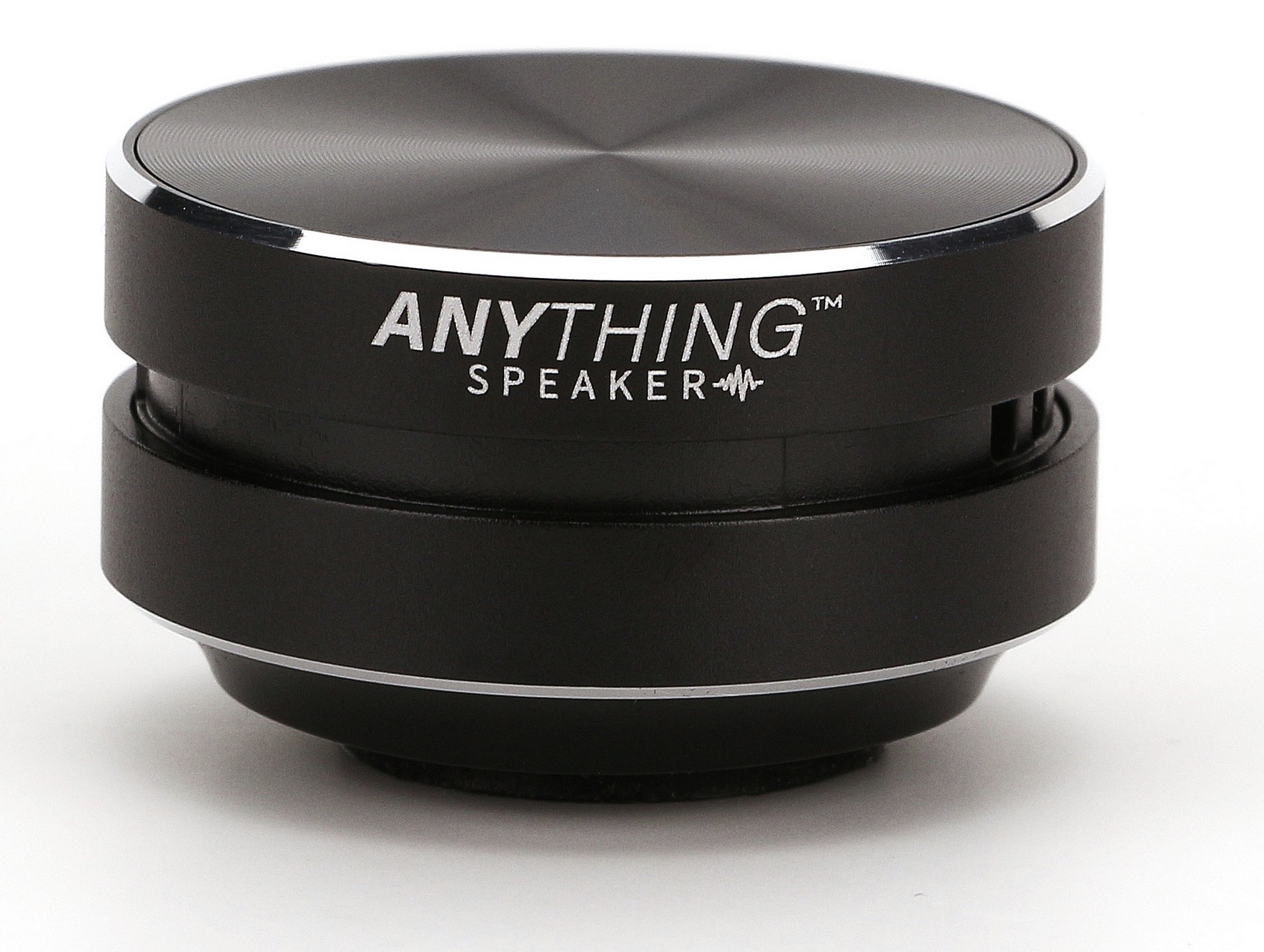
🧳 Size: Compact disc shape about 1.5 inches in diameter, easy to carry in a pocket.
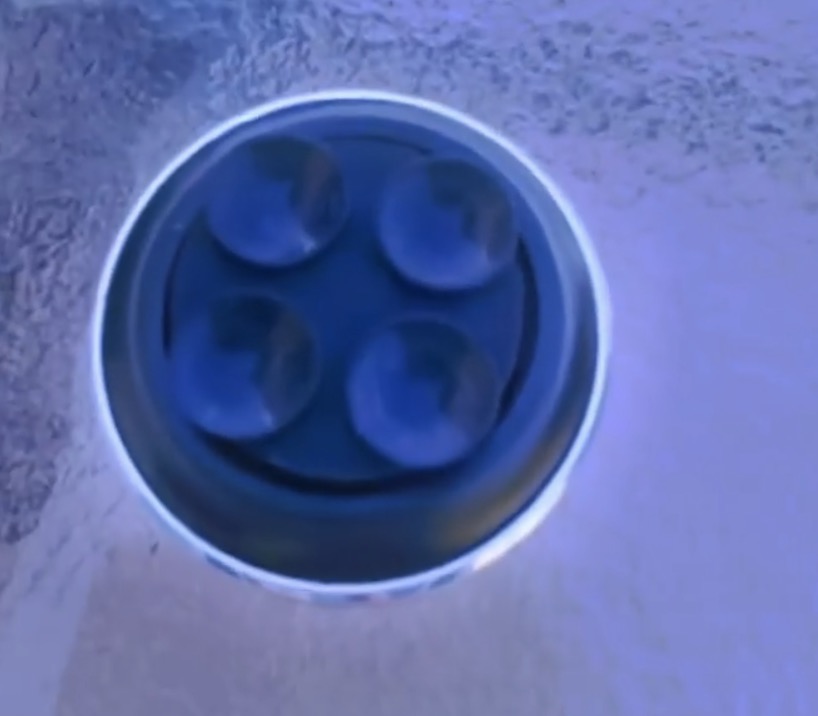
🛠️ Mounting Options: Comes with magnet, suction cups, and adhesive pad for attaching to various surfaces.
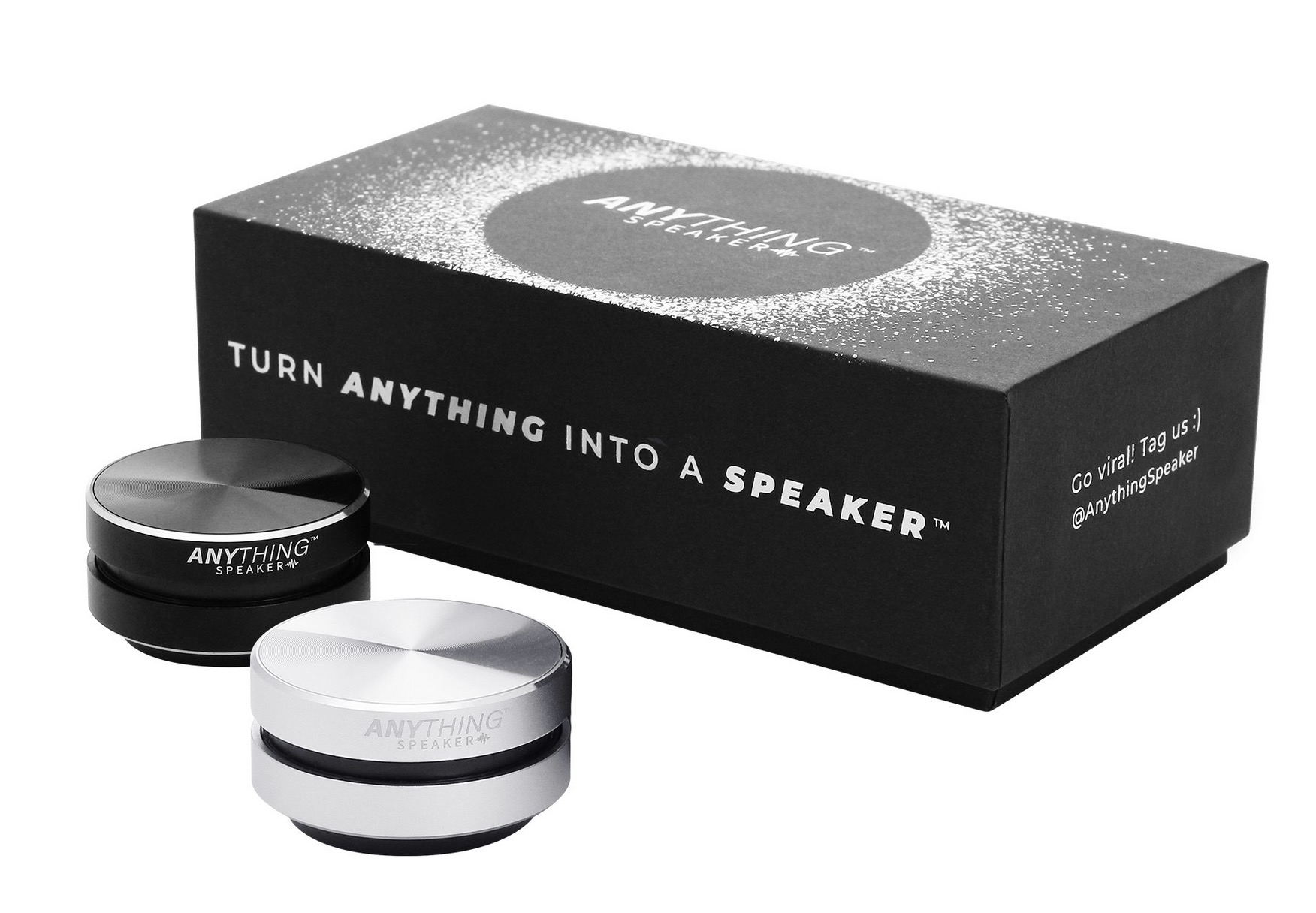
🔗 Stereo Capability: Two units can pair wirelessly to produce left and right channel audio.
🎸 Use Cases: Works on resonant objects like musical instruments, cabinets, mugs, and more.
📱 Compatibility: Supports Bluetooth audio from Android, iPhone, and references PC/Mac use.
🎵 Sound Technology: Converts vibrations into sound through mechanical coupling with objects.
Our Readers Get A Special Price On Anything Speaker
Right now there’s a limited time offer running on Anything Speaker and we wanted to make sure our readers knew about it. These kinds of discounts don’t pop up often, so it might be worth jumping on while it’s still active.
Click Here To Get Anything SpeakerVideo Product Review
Not a fan of long reads? No worries. Here’s a quick video I created that breaks down Anything Speaker so you can get all the key details in just a few minutes.
Have a look below…
Main Takeaways
⚪ The Anything Speaker works by turning nearly any hollow or resonant surface into a speaker, so the sound changes depending on the object you choose.
⚪ Its super small size makes it easy to carry in a pocket, which is great for on the go music or quick setups nearly anywhere.
⚪ You can connect two of these devices together to get stereo sound, which makes listening more immersive even though each unit is tiny.
⚪ The sound quality really depends on what you stick it to; bigger or hollow items give better sound, but smaller or solid objects can make the audio thin and quiet.
⚪ Setup is simple with Bluetooth pairing and multiple options to attach the device securely, but a poor grip or shaky placement can lower sound quality or cause it to fall off.
⚪ Battery life lasts up to about three hours, so it’s best for shorter use or casual sessions unless you have a way to recharge in between.
⚪ Because it vibrates objects to make sound, handling noise can creep in if you touch or move the object during playback, so steady placement helps keep the sound clean.
⚪ The Anything Speaker is perfect for people who like to experiment or want a compact sound option but isn’t meant to replace larger, high quality speakers for detailed listening.
What I Like (The Pros)
✔️ Lightweight Amplifier for Instruments
It offers a simple method to boost volume on acoustic instruments without hauling big amps. Just attach it to the instrument or place it nearby on a hollow surface to get more presence and audible clarity.
This is handy for casual practice sessions or small performances where portability and low profile matter.
It’s a practical solution for musicians who want added volume without complicated gear. Because it’s designed to emphasize midrange and bass, it brings out the warmth and fullness in acoustic sounds, making practice more enjoyable.
✔️ True Pocket-Sized Portability
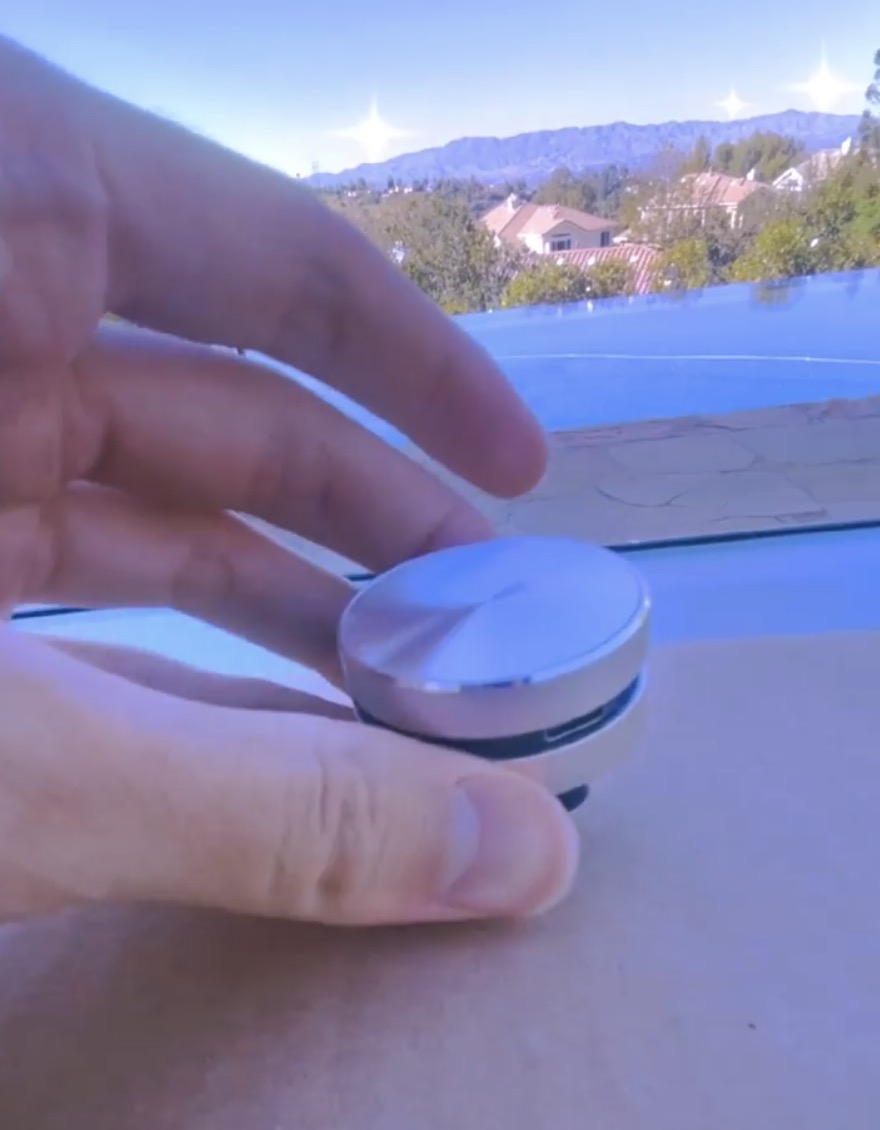
The disc-shaped design is about as big as a coin, making it very easy to stash in a pocket or small bag.
This lightweight size encourages carrying it everywhere without adding bulk or weight.
Because it travels so well, spontaneous use is simple, whether you are at a park, a friend’s house, or traveling. The convenience of a small device that unlocks sound on demand is a big win for minimalists.
This compact form means you can have audio at hand anywhere resonant surfaces are found, without needing to plan or pack heavy equipment.
✔️ Encourages Hands-On Audio Exploration
Experimenting with different materials, sizes, and shapes teaches users about resonance and sound properties in a direct way. It’s a practical tool for learning about acoustics beyond theory.
This makes it useful for hobbyists, students, or creatives interested in how sound behaves in real life. The tactile process of adjusting placement is engaging and educational.
It’s not just a speaker but also a device that inspires curiosity and creativity through active exploration with sound.
✔️ Stereo Playback When Using Two Units
Pairing two devices creates true stereo sound by separating left and right audio channels. This immediately widens the listening space compared to a single unit.
The automatic link feature makes it hassle-free to get stereo going whenever both are powered on. It’s a good way to add dimension and immersion without extra setup struggles.
For small groups or music sessions, stereo sound enhances the experience by offering a fuller and more detailed soundstage from the duo.
✔️ Multiple Mounting Options for Secure Use
The package includes a magnet, suction cups, and an adhesive pad to attach the device to all sorts of surfaces. This variety means it can grip flat, curved, or irregular objects effectively.
Choosing the right mounting method helps maximize vibration transfer and sound clarity while keeping the device in place. It reduces the chances of slipping or falling during use.
This flexibility makes it easier to experiment and find the best spot for sound without worrying about the device falling off. It adapts well to many objects.
✔️ Transforms Household Items Into Speakers
This device turns common objects like mugs, cabinets, or even guitar bodies into sound sources. Instead of carrying bulky speakers, it lets nearby hollow or resonant surfaces become the amplifier.
That means you can enjoy audio in unique ways by simply choosing which object to use.
The sound quality changes depending on size and material, offering a fresh listening experience every time.
It’s a clever way to get music or sounds from objects you already have, freeing you from traditional speaker setups. This opens up fun possibilities in everyday spaces or creative content making.
✔️ Easy and Quick Setup for Instant Use
Using the device involves just powering it on, pairing via Bluetooth, and attaching it to a surface. This straightforward sequence means minimal fuss and fast access to audio.
Users can spend more time enjoying music or trying out new surfaces instead of wrestling with complicated controls or lengthy instructions. It encourages spontaneous use.
The quick setup fits well with casual use cases like outdoor meetups or sudden jam sessions where time and convenience matter most.
✔️ Impressive Bass and Midrange for Small Size
The internal driver is designed to highlight bass and midrange frequencies, which helps keep vocals and instruments clear and full. This tuning makes music sound richer than expected from such a tiny device.
Placed on the right resonant surface, it can produce surprisingly deep and warm tones that fill a room better than a phone speaker. This improves casual listening without bulky hardware.
The focus on these frequency ranges gives content a natural feel and avoids overly thin or harsh sound that small speakers might have.
✔️ Omnidirectional Sound Dispersion on Objects
Since the object itself vibrates and produces sound, the audio spreads across the whole surface rather than from a single point.
This creates a more even, less directional audio experience.
You don’t have to be positioned exactly in front of the device to get good sound, helping fill small rooms nicely depending on the object chosen. It differs from traditional cone speakers that beam sound in one direction.
This feature is valuable for groups, making listening more flexible and less position-dependent. It also contributes to the novelty of turning any object into a multi-directional speaker.
✔️ Creates Fun and Social Audio Moments
Playing sound through different objects leads to surprising and playful effects. It’s a neat way to grab attention or entertain friends by making everyday things sing in unusual ways.
This approach invites experimentation and sharing, which works great for casual gatherings or making short videos for social media. It’s not just about listening but having a good time discovering new sounds.
The playful nature sparks creativity and can turn quiet spaces into lively places with little effort. It’s a fresh way to enjoy sound beyond traditional speakers.
The Bad Aspects
⛔ Not Built for High-End Audio Listening
This portable device is not designed to replace full-size Bluetooth speakers or Hi-Fi systems.
The sound clarity, bass extension, and overall tonal balance don’t meet what you’d expect from dedicated audiophile gear. It works fine for casual listening but won’t satisfy those wanting deep, crisp, or detailed sound.
Because the internal driver has size and design limits, it can struggle with complex music or quieter details. If you use it as your main speaker for extended critical listening, the shortcomings become noticeable rather than pleasurable.
This means the device is better suited to informal settings, novelty uses, or light instrument practice rather than situations demanding detailed sound fidelity.
⛔ Requires Solid and Stable Attachment for Best Performance
The Anything Speaker portable device delivers optimal sound only when it is firmly and securely attached to the host object. Any slipping or unstable mounting can weaken vibration transfer and seriously reduce audio quality. If the device falls off, it could get damaged or interrupted during playback.
With multiple attachment options like magnets, suction cups, and adhesive pads, you get some flexibility, but not all surfaces are compatible or easy to stick to. Heavy objects or uneven surfaces might be tricky to mount on securely, causing inconvenience.
Careful placement and choosing the right accessory for each object are necessary to avoid these issues. Still, occasional repositioning or accidental drops can interrupt your experience.
⛔ Variable Sound Quality Depending on Surface
The Anything Speaker bone conduction speaker relies entirely on the object it’s attached to for sound projection. That means the sound can be great on a hollow cabinet but thin and weak on something small or heavily damped. Finding the right surface for good audio isn’t always easy and can get frustrating if you don’t have many resonant objects around.
Sound textures change a lot between different surfaces. You might enjoy a full, warm tone from a guitar body but get a sharp, metallic sound from a mug. This unpredictability makes it less convenient than a standard speaker where you know exactly how your music will sound every time.
You can try to improve this by testing various items in your home or outside, but it takes time and a bit of patience. If you prefer steady audio quality without experimentation, this device’s reliance on surfaces might be a drawback.
⛔ Battery Life Limits Long Playback Sessions
The internal rechargeable battery lasts up to about three hours on a full charge according to specs. While this is fine for short outings or experimental use, it restricts longer events like parties, long practice sessions, or outdoor gatherings. You’ll need to recharge regularly to keep going.
For users relying on this device as their main sound source for extended periods, charging logistics could get in the way.
Carrying a charger or power bank becomes necessary during all-day use.
This limitation is common in ultra-compact portable speakers, so it’s wise to plan ahead if you expect to use the device heavily without easy access to power.
A Comprehensive Guide To How This Product Works
Audio plays wirelessly from a Bluetooth device to the small, disc-shaped unit. Inside, an electrical signal changes into mechanical vibrations generated by a transducer. These vibrations then transfer from the device into the surface it’s attached to, like a guitar body or a cabinet door.
Instead of pushing air directly like a regular speaker cone, the mechanical energy moves through the object, turning the whole thing into a soundboard. That surface then vibrates and creates sound waves that you can hear. How the sound actually turns out depends a lot on what the object is made of and how hollow or dense it is.
Larger or hollow objects usually amplify vibrations better, making the sound louder and giving it more bass and fullness. On the other hand, small or thick items tend to absorb vibrations and result in thinner, quieter audio. So, picking the right surface really changes how the sound comes out.
Several attachment options help keep the unit firmly in place, ensuring good vibration transfer. That mounting has to be secure and flush against the surface because loose contact lowers the sound quality and sometimes makes the device slip off. Experimenting with the exact spot usually helps to find the best tone and volume.
When two of these units connect, each one receives separate stereo channels.
By attaching them to different objects or points, they create a wider sound field with left and right audio separation. Both devices can automatically sync once powered on, cutting down the hassle of manual pairing.
The transducer inside is tuned to emphasize midrange and bass frequencies relative to the unit’s tiny size. That means the vibrations focus on delivering noticeable depth rather than just high-pitched sounds, which helps keep music and voices clear under typical listening conditions.
Because sound radiates from the entire surface, the listening position is less critical compared to traditional speakers that beam sound in one direction. The vibrated object spreads audio all around, which can fill a room more evenly depending on the material and shape.
Volume output is limited by battery life, which supports a few hours of continuous use. Wireless range usually covers typical personal setups, around 30 feet or so. Overall, sound production depends on the mechanical coupling between device and surface and how well the vibrations excite the host object’s natural resonances.
The Facts And Science
Mechanical vibration is the heart of how the Anything Speaker bone conduction speaker works. Inside the device, an electrical audio signal transforms into rapid back and forth motion via a tiny internal transducer. That transducer physically shakes against whatever surface it’s attached to, turning that object itself into a sound source.
Unlike traditional speakers that rely on cones to push air, this approach uses direct mechanical coupling. The vibrating transducer transfers energy into the host object’s material. Its walls or surfaces then flex and oscillate, creating pressure waves in the surrounding air, which we perceive as sound. The shape and material properties of the object greatly influence how efficiently those vibrations turn into audible sound.
The principle behind this mechanism resembles bone conduction hearing technology.
Instead of air moving through speakers, mechanical energy travels through solid mediums, bypassing conventional pathways. This direct transfer demands firm, stable contact between the transducer and the host surface to prevent energy loss and unwanted vibrations or noise.
One key factor shaping sound output is the host object’s resonant characteristics. Large, hollow, or thin walled bodies tend to resonate more freely.
They amplify lower frequencies more effectively, producing richer, fuller sound with stronger bass presence. Conversely, small or thick objects absorb much of the vibrational energy. Vibrations dissipate quickly, resulting in thinner, less loud audio.
Surface coupling methods—such as magnets, suction cups, or adhesives—serve to optimize the mechanical connection. Each mounting technique aims to maximize vibrational energy transfer by minimizing gaps or slipping. Ineffective coupling wastes power and leads to muffled or distorted sound.
Wireless Bluetooth streaming provides the source signal, but it is the mechanical transducer that physically generates soundwaves.
When using two units paired wirelessly, separate audio channels drive two transducers, each connected to different objects or parts of the same surface. This setup creates a wider, stereo sound field by sending distinct vibrations to the left and right sides.
The device’s internal driver is specially tuned to favor bass and midrange frequencies relative to its tiny size. This tuning offsets the physical limits of small transducers by focusing energy where the human ear is most sensitive and where resonant objects respond well, improving clarity and perceived fullness.
Because sound radiates omnidirectionally from the vibrating host surface rather than a directional cone, listeners experience less of a “sweet spot.” The acoustic energy spreads more evenly into the surrounding space, depending on the object’s shape and size.
One subtle aspect is that objects with varying density and stiffness respond differently to the same input signal. Materials with higher elasticity can vibrate over a broader frequency range. In contrast, rigid or heavily damped materials restrict movement, shaping tonal qualities by highlighting or muting certain frequency bands.
That interplay of mechanical and acoustical physics defines all performance characteristics for this kind of technology.
It depends entirely on physical wave propagation, resonance, and energy transfer principles rather than electronic sound generation or amplification as in traditional speakers.
My Firsthand Experience
The moment I first tried the Anything Speaker device, it felt like discovering a little audio magic. Popping it into my pocket was no trouble at all since it’s barely bigger than a coin. Setting it up was quick — power on, pair with my phone, and slap it on a nearby surface. The sound really depends on what I stick it to. A hollow cabinet gave me crisp and full tones, while the mug I tried was thin and almost tinny. Took a few tries to find good surfaces that brought music to life.
Using it on my guitar surprised me. Without lugging around an amp, I got decent volume for practicing in the room. The sound was a bit different from regular speakers, warmer but less detailed. Moving the unit around on the guitar body changed the tone a lot. That made sessions feel more hands on and even a little playful. It’s small enough to forget I have it with me, but the battery life means I have to recharge after an afternoon jam. Good thing charging is straightforward.
Pairing two units for stereo playback seemed like a neat idea, but carrying both around adds some complexity. Once linked, the wider sound made music feel more immersive despite the tiny size. Still, the quality depends on the surfaces again.
Those paired devices auto connect, which cuts down fuss and lets me focus on listening. Attaching things with the magnet, suction cups or pads worked fine, although I had to be careful with placement to avoid slipping during use. The no fuss setup is definitely a big plus for quick playback.
What stood out most was how different everyday objects sound. Putting it on a fridge door pumped up the bass and filled the kitchen unexpectedly well. On glass shower doors, the sound was more fragile, lighter. Trying it on wooden furniture or even a cardboard box gave a surprising range of vibes. It made listening feel like a little experiment each time — fun but sometimes frustrating when no good resonant surface was nearby. Handling noise showed up if I bumped the object, so steady placement mattered.
The device is clearly not about perfect audio or blasting outdoor parties. It’s more about spontaneity and a bit of curiosity with sound. Carrying it on trips felt easy since it weighs next to nothing.
For casual listening in smaller spaces or quick instrument boosting, it works nicely. Just don’t expect deep bass or crystal clear details like larger Bluetooth speakers or amps. On humid days or near water, I kept it away to avoid any risks since there’s no water resistance.
Overall, the Anything Speaker bone conduction speaker shaped music into a hands on discovery for me. It’s less about pure sound quality and more about the fun of turning any object into a little speaker. Every use taught me something new about how vibration and surfaces interact. It has a unique charm that keeps me reaching for it, especially when a traditional speaker feels like too much fuss.
Who Is Anything Speaker Ideal For?
This little speaker suits a surprising variety of people. It’s not just for music lovers wanting portable sound. Its charm lies in adaptability, playfulness, and experimental potential. Different folks will connect with it for very different reasons.
Skeptical Listener Not easily impressed with small speakers, they try this mostly out of curiosity. They may find the variable sound quality frustrating at first but appreciate the clever engineering behind it. Once they find a good surface, they get why it’s more than a novelty.
Dorm Room Resident Space is tight and quiet time precious. This person needs a speaker that doesn’t dominate the room or hassle their neighbors. The device offers better sound than a phone without loudspeaker bulk, and experimenting with surfaces becomes a neat dorm hobby.
Social Content Creator They look for new ways to surprise friends or hook viewers. Using strange objects to blast tunes or create sound effects adds a fresh twist to their posts. It’s a playful tool that helps their content stand out in casual hangouts and online clips.
Minimalist Traveler This person hates carrying extra gear. A bulky speaker is a no go, but they want decent sound on the road.
The tiny disc fits in a pocket, always ready to turn nearby objects into a speaker. It’s lightweight and easy, so music or podcasts don’t get left behind.
Casual Musician Practicing at home without cranking a big amp? That’s their style. The device’s ability to boost acoustic instruments just enough for better sound helps them jam quietly or perform small sets. It’s simple, portable, and doesn’t demand much setup.
Curious Experimenter Always trying wacky gadgets, this type loves how different surfaces shape the sound.
They find joy in discovering which household items make music shine or sound quirky. It’s a hands on lesson in sound physics wrapped in fun.
My Big Takeaway
Trying out the Anything Speaker bone conduction speaker really opened my eyes to a new way of listening. It’s clever how one tiny device can turn just about any hollow or resonant object into a speaker. I found that the different tones you get from various surfaces make it more than a gadget — it turns music time into a fun experiment every time. That’s something I’ll keep an eye on, especially when hanging out with friends or trying to add some surprise moments.
Of course, it is easy to overlook the fact that its sound depends so much on the object it’s attached to. You really have to play around with placement and pick the right spot to get any fullness or bass.
It’s probably not for everyone, especially if you want top quality audio every time. Still, for casual use, quick setups, or a lightweight way to boost your instrument, it fits a nice niche. The fact that two of these can pair for stereo playback also adds a useful layer that makes the whole experience more immersive.
Thanks for reading this Anything Speaker review. It gave me plenty to think about when it comes to portable audio and creative sound shaping. If you’re curious about how your everyday items might double as speakers, it might be worth trying once to see how it feels. Even if it’s not your daily go to, the idea behind this portable device shines for sure.
Top FAQs
Can I really fit this speaker in my pocket and use it anywhere?
Yes, this portable device is about 1.5 inches across and shaped like a small disk, so it fits easily in your pocket or bag. You can take it wherever you go and just stick it onto a resonant surface nearby to play your music.
That makes it super handy for travel or when you want quick sound without lugging a bulky speaker around.
Is the Anything Speaker a good replacement for my high end Bluetooth speaker?
Likely not, if you’re into crystal clear, high fidelity sound. Because it relies on vibration through other objects, audio quality changes a lot based on what you use. It’s best for casual listening, playful experiments, and lightweight instrument amplification rather than serious music critique or big parties.
Can I use this on delicate or valuable items like antiques or glass?
It’s better to avoid fragile or priceless objects. The vibrations and mounting methods might damage delicate ceramics, thin glass, or polished finishes. If you’re curious, try it on less valuable surfaces first, and don’t use magnetic or adhesive attachments on anything that could be harmed.
How does the Anything Speaker actually make sound from objects?
The device sends vibrations into whatever it’s attached to, turning that object’s surface into a speaker.
Instead of pushing air like a regular cone speaker, it makes the object itself vibrate and produce sound. The bigger or more hollow the thing you attach it to, the louder and fuller the music will be. It’s a clever way to turn everyday stuff into sound machines.
Is it difficult to connect or set up the Anything Speaker?
Not at all. It uses Bluetooth like most wireless speakers, so you just turn it on, pair with your phone or tablet, attach it to a sound friendly object, and hit play. Setting up takes seconds, so you can spend more time listening or trying new surfaces than fiddling with settings.
Does using different objects change how my music sounds?
Absolutely. The sound depends a lot on the surface you stick it to. Big, hollow objects like a fridge or guitar body make the sound louder and richer, while small or thick things might produce thinner or quieter audio. Experimenting with different materials is half the fun, but it can be tricky to find something that sounds just right.
How long does the battery last when using this portable device?
The rechargeable battery lasts up to about three hours on a charge. That’s enough for a short outing, practice session, or gathering, but you’ll want to recharge if you plan longer use.
It’s designed for convenience and portability rather than all day listening.
Can I get stereo sound from this device or do I have to settle for mono?
You can get stereo sound, but it requires two units. When you power on both, they automatically pair to offer left and right channels for a wider and more immersive sound experience.
Just keep in mind you’ll need to carry both if true stereo is important to you.
Get Anything Speaker Today
So that’s my honest take on Anything Speaker. If you’re ready to try it out, you can grab the reader only discount through the button below. Thanks for reading.
↓ Click Here Now