
I got tired of fuel saving device promises that never matched real driving. Most of what I tried either did nothing, gave me numbers I could not verify, or felt sketchy the second I plugged it in.
So in this Eco Fuel review, I went in expecting more of the same and honestly hoping to be proven wrong. What I found was not as simple as “scam” or “works,” and that is exactly why this one deserves a closer look.
Product Specs
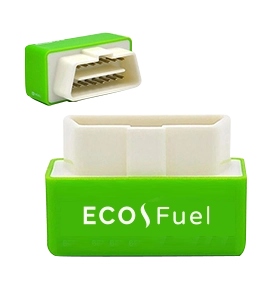
🔌 Connection Interface: Plugs into a vehicle’s OBD2 diagnostic port for ECU communication.
⚙️ Reset Mechanism: Hardware reset activated by inserting a pin into a small hole on the top surface.
♻️ Environmental Impact: Aims to reduce fuel consumption and associated carbon emissions.
🚗 Compatibility: Works with most U.S. vehicles built after 1996 and many European vehicles made after 2001.
🧩 Form Factor: Small, lightweight electronic module designed for in-cabin installation.
🔄 Portability: Can be moved between multiple compatible vehicles without professional service.
📉 Fuel Efficiency Adjustment: Claims ECU-level fuel improvements around 15 to 25 percent.
🔧 Installation: Plug-and-play design requiring no cutting, rewiring, or engine disassembly.
🕒 Activation: Begins optimization immediately but requires driving time for full ECU adaptation.
Discount On Eco Fuel – Readers Only Special Price
We’ve managed to get a pretty substantial discount on Eco Fuel for our readers. However, due to its popularity and the substantial discount, there’s a possibility it might sell out soon. So if you’re considering this, now might be the best time.
Click Here To Get Eco FuelQuick Takeaways
📌 The device plugs easily into a vehicle’s OBD2 port and works without any mechanical changes, making installation quick and simple.
📌 Fuel savings depend on your vehicle and driving habits, so results may take time to appear and can vary between drivers.
📌 Eco Fuel promises better fuel efficiency and a smoother driving feel by adjusting engine settings through the car’s computer.
📌 It can be moved between compatible cars, offering flexibility for users with multiple vehicles that support OBD2 connections.
📌 Some vehicles with aftermarket engine controls or older models might not see as much benefit because of hardware or software limits.
📌 The unit’s long term durability isn’t clearly detailed, so it’s best to monitor performance over time in daily use.
📌 Leaving the device plugged in during professional servicing could cause minor inconvenience, as mechanics might ask for it to be removed.
Pros (The Good Stuff)
✔️ Easy Plug-In Installation
The Eco Fuel saving device installs quickly by connecting to the vehicle’s OBD2 port. You do not need any special tools or technical knowledge. It simply plugs in without cutting wires, disassembly, or engine modifications.
This straightforward setup makes it accessible for anyone who wants to try fuel optimization. You can have it ready to work in just a few minutes at home or on the go. There is no need to visit a mechanic or pay extra installation fees.
Because it requires no mechanical changes, it also avoids risks linked to improper fitting.
The process is clean, reversible, and user-friendly, perfect for those who dislike complicated upgrades.
✔️ No Maintenance or Consumables Needed
Once installed, the Eco Fuel saving device requires no routine upkeep or replacement parts. There are no filters to clean or liquids to add, keeping ownership simple.
This low-maintenance advantage means there are no extra costs or chores after the initial purchase. It quietly runs in the background using the car’s diagnostic port.
For anyone wanting a set-it-and-forget-it solution that does not demand ongoing attention, this device fits well with that lifestyle.
✔️ Compact and Handy Design
The unit is small and lightweight, making it easy to conceal inside the vehicle cabin.
You can place it discreetly out of sight on the dashboard or near the diagnostic port to avoid drawing attention.
Its low profile helps preserve the vehicle’s appearance and reduces risk of theft or damage. Carrying it between cars is simple due to its size and weight.
This compact design fits well with busy vehicle interiors where space is limited. It offers convenience and security without cluttering your cabin.
✔️ Software-Level Fuel Efficiency Adjustments
The device works by communicating with the engine-control unit to optimize fuel consumption through electronic signals. It adjusts fuel delivery, ignition timing, and related settings without touching mechanical parts.
This software-based method is less risky and often faster to apply than physical engine modifications.
It taps into existing ECU systems to unlock hidden efficiency potential.
Because it relies on data and communication with the vehicle’s onboard systems, the module can fine-tune fuel use based on the engine’s current condition and operation.
✔️ Faster Payback for Frequent Drivers
Drivers who cover many miles each day stand to recoup the cost of the device more quickly. The advertised savings mean heavy commuters might see full value within just a few weeks or a month.
This fast return on investment makes it practical for those who spend a lot on fuel regularly.
It turns the purchase from a luxury into a financially sound choice.
For everyday travelers or delivery drivers, this device can immediately affect fuel budgets in a positive way.
✔️ Supports Budget and Environmental Goals
Reducing fuel consumption benefits both wallets and the environment. Lower fuel use can ease household expenses by reducing the number of fuel stop visits.
At the same time, burning less fuel leads to fewer carbon emissions and smog pollutants tied to vehicle operation. This helps drivers who care about their environmental impact.
The Eco Fuel saver device appeals to people who seek to manage costs and contribute to cleaner air through smarter vehicle use.
✔️ Built-In Hardware Reset Feature
A unique feature of the device is the two-hole reset system on its top surface. You can use a small pin or similar tool to access the slightly larger hole and perform a hardware reset.
This reset option allows you to return the device to its factory settings if needed, such as after troubleshooting or changing vehicles.
It adds user control without requiring external devices or software.
Having this accessible reset keeps the device flexible and easier to maintain for everyday drivers who may encounter unexpected issues or want a fresh start.
✔️ Works with Modern Vehicles and Keyless Systems
The Eco Fuel chip is compatible with nearly all U.S. vehicles built after 1996 and many European models from 2001 onward. It also supports keyless ignition systems common in newer cars.
This broad compatibility ensures that most current vehicles can benefit from its fuel-efficiency features. Owners of modern engines do not need to worry about interface issues.
It fits the needs of people with contemporary cars, making it relevant for a wide range of drivers in multiple markets.
✔️ No Alterations to Engine Hardware
The device communicates electronically with the vehicle’s ECU, so there is no need to alter the engine or fuel system parts. This means your car’s original mechanical components remain untouched. No bolts get loosened or replaced in the process.
This non-invasive approach means you avoid potential warranty issues or voided guarantees from modifying engine parts.
You can remove the device anytime without leaving traces or damage.
It offers flexibility to try fuel-saving software upgrades without the permanent effects of physical tuning. This suits drivers who want efficient improvements but prefer to keep their cars stock.
✔️ Can Be Used on Multiple Vehicles
Because the device plugs directly into the OBD2 port without any permanent changes, it can be transferred easily between compatible cars. Households with multiple vehicles can maximize the benefits by sharing just one unit.
Small fleet owners can also move the device between trucks or cars, helping reduce fuel costs across their entire group.
This versatility improves the value of the initial purchase. It’s a practical option for anyone who does not want to buy separate devices for each vehicle but still seeks fuel efficiency improvements in all compatible rides.
✔️ May Enhance Engine Responsiveness
Users of the Eco Fuel saver device might notice an improvement in how the engine responds during driving. Adjustments to ECU parameters targeting fuel delivery and timing can also affect drivability.
This can translate to a smoother feel or faster throttle response, which makes driving more enjoyable in addition to saving fuel. The change is subtle but positive to the driving experience.
Such perceived performance gains offer an added bonus besides just the economic benefits. It helps drivers feel that the upgrade improves vehicle behavior overall.
✔️ Advertised Significant Fuel Savings
Promotional materials for the Eco Fuel chip mention the potential to cut fuel use by as much as 35 percent. They also specify ECU-level improvements in the range of 15 to 25 percent.
These clear targets give users benchmarks to monitor in their fuel economy after installation.
Drivers can track changes across several fuel fill-ups to measure real savings.
Although actual results depend on many factors, the promise of reduced fuel consumption offers a strong incentive to try out the device for cost savings on gas or diesel.
What I Don’t Like About This Product
⛔ Compatibility Limits with Older or Non-Standard Cars
The Eco Fuel saver module requires a standard OBD2 port, which generally means cars made since 1996 in the U.S. or after 2001 in many parts of Europe. Vehicles without this diagnostic interface cannot use the device. This excludes older models or some specialty vehicles.
If your vehicle’s diagnostic port is non-standard or damaged, installation might be impossible. This restricts the potential user base to owners with compliant cars. Even some newer vehicles with unusual ECU setups could face compatibility challenges.
Before purchasing, confirming your vehicle’s diagnostic port type and production year will help prevent fitting issues or wasted expense.
⛔ Variable Effectiveness Across Vehicles
The Eco Fuel saver device does not deliver the same fuel savings in every vehicle.
Its impact depends on many factors, including the car’s model, engine condition, and how the vehicle is driven. Some users may see minimal improvement, while others experience closer to the advertised levels.
Because it works through software-level changes, the device is limited by the original engine technology and factory settings. Older or heavily worn engines may show smaller gains, and unrealistic expectations can lead to disappointment. Testing the device over many trips is important before judging performance.
If your vehicle has special tuning or is heavily modified, results might be even less predictable. Checking compatibility and considering your car’s unique setup can help avoid surprises with this fuel-saving device.
⛔ Possible Interference with Vehicle Maintenance and Testing
Leaving the Eco Fuel saving device plugged in during professional vehicle servicing can cause problems. Mechanics often need clear access to the diagnostic port for scans and repairs, and an aftermarket module might block or confuse diagnostic tools.
Some service centers might ask you to remove the device before emissions tests or routine checks. This adds a small inconvenience and means you must remember to disconnect and reconnect it as needed. Forgetting removal during testing could delay inspections.
Because the device changes ECU behavior in ways that are not fully detailed, technicians may consider it a potential source of interference. Being prepared to temporarily uninstall the Eco Fuel chip for maintenance is advisable.
Understanding How This Works
This device connects directly to a vehicle’s OBD2 port, which is the diagnostic interface used by the car’s engine-control unit. Once plugged in, it starts communicating with the ECU, sending electronic signals that influence how the engine manages fuel delivery and ignition timing.
The changes happen at the software level, adjusting parameters within the engine management system rather than altering any physical parts of the engine.
This means the device works with the car’s existing hardware to try to optimize fuel use without any mechanical modifications.
The module applies its optimization routines as soon as it’s connected, but the car’s ECU needs time to respond and adapt to these signals. Its feedback systems gradually adjust to the new control signals over multiple driving cycles before the full effects become clear.
There’s a built-in reset option on the top of the device, accessible through two small holes. Using a simple pin to press into the larger hole allows for a hardware reset, which can restore the unit to its default state without having to open it up.
Because it plugs right into the diagnostic port, installation doesn’t require any rewiring or engine disassembly.
This plug-and-play design lets it be discreetly placed inside the cabin where it can be hidden away easily.
The way it influences the ECU is by modifying fuel-related settings and timing controls. These adjustments aim to make the engine run more efficiently under certain conditions, based on real-time control data exchanged between the device and the vehicle.
While the module starts working immediately, it relies on the car’s own control systems to integrate those changes. The engine’s built-in sensors and computers gradually calibrate to the new fuel and timing settings, which means it usually takes regular driving time for the ECU to settle on the optimized state.
Since it’s all electronic communication through standard ports, the device can be moved between compatible vehicles without any special tools or changes to the cars themselves. It’s a simple matter of unplugging from one OBD2 socket and plugging into another.
My Experience Using This
Setting up the Eco Fuel saver device was easy enough. It just plugged right into the car’s OBD2 port, no tools or fuss required.
I appreciated how small and light it was—easy to tuck away without clutter or distraction. The pinhole reset was a neat little touch, though I only needed it once after a
Could You Benefit From This?
This type of product fits a wide range of people for different reasons.
Some are looking to save money, others want a simple upgrade with no fuss. Some care about the environment, while a few just want to see if it really delivers on its promises.
Here are a few user types who would get good use out of this Eco Fuel device.
Tech Savvy Car Owner Curious About ECU Tuning This person enjoys gadgets and likes tweaking their car’s performance. They may have some knowledge of ECU systems but prefer an easy plug and play option instead of a complicated tune. They are open to trying this device because it promises software level efficiency changes without permanent mods.
Daily Commuter Trying To Cut Costs Someone who spends a lot of time in traffic or driving to work every day will appreciate anything that reduces fuel costs. Saving a few gallons every week adds up fast. For them, a device that requires no mechanical work and promises quick payback is a smart choice.
Environmentally Conscious Driver Saving fuel here means lowering carbon emissions too. For drivers who habitually think about their ecological footprint, this device fits their values. It offers an easy way to reduce emissions without buying a new hybrid or electric vehicle.
Budget Minded Parent Managing a household budget means every bit counts. This user isn’t a car expert and avoids mechanical fixes, but wants to cut down the number of fuel fill ups. The convenience of a plug in device appeals because it doesn’t add headache or extra maintenance.
Skeptical But Willing To Test This type of person hears claims like “up to 35% savings” and raises an eyebrow. They aren’t easily sold but don’t mind experimenting. They will watch fuel use over weeks and judge results for themselves. The non invasive nature makes it low risk to give it a try.
Multi Vehicle Household Manager Someone who looks after several cars, maybe a family with teenage drivers or a small business fleet, will like that one module can be switched between vehicles. It’s a simple, cost efficient way to get benefits across multiple cars without buying a device for each one.
Final Analysis
Trying out the Eco Fuel saver device gives a clear sense of how modern technology can quietly support everyday driving. The plug in setup is simple enough that you can install it yourself without fuss or risk to your vehicle’s mechanics.
It takes some time for the car’s system to fully adjust, so the fuel savings are not instant, but that gradual change feels like the vehicle is simply learning to run more efficiently. That part is easy to overlook, but it matters when judging how well it actually works.
I found the idea of moving one compact module between different cars quite convenient. It makes more sense if you have more than one OBD2 equipped vehicle at home or manage a small fleet. While the claims of reducing fuel use by up to 35 percent sound impressive, it really depends on the car and driving conditions. That’s something I’ll keep an eye on, since real savings can vary quite a bit. Still, the potential for a smoother driving feel was noticeable, which adds a little unexpected value beyond just saving gas.
This Eco Fuel review gave me a lot to think about regarding vehicle efficiency and cost management. It’s probably not for everyone, especially if your car is older or heavily modified, but if you drive regularly and want an easy way to cut fuel costs without complicated changes, this formula is worth considering. Thanks for reading through this review and weighing whether this kind of fuel saving device fits your driving needs.
All Your Questions Answered
Q: Can I use this Eco Fuel saver device on any car?
It works with most cars made after 1996 in the US and many European models from 2001 onward, especially those with modern engine controls and keyless start. Older cars or those without a standard OBD2 port probably won’t be compatible. Always check your vehicle’s diagnostic port before buying.
Q: Will I notice fuel savings right after plugging it in?
The device starts working immediately, but most vehicles need some time to adapt. Your car’s engine control system adjusts to the changes over several drives before you see the full benefit. It’s best to track your fuel use over a few tankfuls to see the impact.
Q: Will this interfere with my car’s regular maintenance or diagnostics?
It might cause some hassle when mechanics try to connect diagnostic tools if the device stays plugged in.
Technicians may ask you to remove it for service or inspections. So, it’s a good idea to unplug it before any professional visits.
Q: What are some signs that the Eco Fuel saver device is working?
Along with saving fuel, drivers often say their car feels more responsive or smoother to drive. You might notice changes in engine behavior or fuel mileage improvement after some use.
However, results vary widely depending on your car and driving style.
Q: How long does this Eco Fuel chip last once I install it?
There isn’t clear information about its long term durability against heat, vibration, or extended use inside the car.
So, while it should work well initially, it’s unclear how many years it will last without issues.
Q: How do I install the Eco Fuel saving device in my car?
Installation is very simple. You just plug the small module into your vehicle’s OBD2 port, usually located under the dashboard. No wiring, cutting, or engine work is needed. It’s designed for easy plug and play so almost anyone can do it without help.
Q: If I already have a custom tune or aftermarket engine control, can I use this device?
It could cause unpredictable effects if your car is already modified with custom engine software or extra controllers. Before trying it, you should talk to a car tuning expert to make sure it won’t cause problems or conflicts.
Q: Does using this device change or affect my car’s engine hardware?
No mechanical changes happen with this product. It connects electronically to your car’s computer but leaves all physical engine parts untouched.
This means it can be removed without any visible modifications or damage to your car.
Get Eco Fuel
So that’s my honest take on Eco Fuel. If you’re ready to try it out, you can grab the reader only discount through the button below. Thanks for reading.
↓ Click Here Now