
Most plastic tees feel different off the clubface than wood. That subtle change in sound and feedback at impact is something you only notice after you’ve actually committed to using them for a full round instead of just a few swings on the range. I went in expecting small, marginal gains at best.
In this FlightPath golf tees review, I’ll cover what actually happened when I put a set of advanced golf tees through real rounds. The setup process alone raised a question I still haven’t fully settled.
Product Details
📏 Setup Method: Requires placing ball on tee first, inserting the tee, then tilting it back slightly.
🎯 Alignment Aid: Features an integrated aiming arrow for visual target reference.
🎒 Portability: Lightweight and compact, fits easily in standard golf bag pockets.
🌡️ Temperature Sensitivity: Polycarbonate may become brittle in very cold environments.
⚙️ Design Technology: Uses patented FlightPath Spin Reduction Technology to reduce sidespin and backspin.
🏌️♂️ Compatibility: Suitable for driver and long-wood tee shots.
🛠️ Durability: Each tee is claimed to last more than 100 high-speed impacts or rounds.
♻️ Material: Made from impact-resistant polycarbonate, a high-strength thermoplastic.
🤖 Testing Validation: Backed by independent and robotic testing for distance and accuracy effects.
📜 Rules Compliance: Designed to conform with USGA and R&A tournament regulations.
FlightPath golf tees – Special Price For Our Readers Only
If you’ve been eyeing FlightPath golf tees, now is a good time to pick it up. There’s a solid discount available through our special readers only link that brings the price down quite a bit from the usual retail cost. Check it out below…
Click Here To Get FlightPath golf teesReview Video
Want the short version? I made a video review of FlightPath golf tees that gets straight to the point without all the extra reading. Give it a watch below…
Skip The Details (Main Takeaways)
📌 FlightPath golf tees reduce side and backspin by changing how the ball contacts the tee, helping drives stay straighter and sometimes fly farther without altering your swing.
📌 Their strong polycarbonate build means these tees break much less often than wooden ones, cutting down on waste and the need to carry many spares.
📌 The built in aiming arrow helps with shot alignment, but using this feature well takes practice to avoid mistakes that could lead to off target drives.
📌 These tees require a different method of setup, including placing the ball first then inserting and tilting the tee, so taking time on the range to get comfortable with this is important.
📌 Although made to last over 100 uses, the plastic material may become more brittle in cold weather, so careful inspection and gentle handling can extend tee life in winter.
📌 FlightPath tees are approved for tournament play, which is good news for competitive golfers who want consistent performance with conforming equipment.
📌 While they help identify if ball flight problems come from the tee or your swing, they are not meant to fix swing flaws, so practice and coaching remain essential.
Pros – What I Like
✅ Tested with Robots for Precise Validation
The company behind FlightPath tees has used robotic systems to test performance variables like distance and accuracy.
This mechanical testing allows for consistent, repeatable comparisons against regular wooden tees. The data backs up claims about spin reduction and improved ball flight characteristics.
Such scientific approaches add credibility to the product’s benefits instead of just relying on anecdotal evidence. These tests simulate high-speed impacts that mimic actual play, providing confidence the design works as intended.
For players interested in tech-backed gear, knowing these tees have undergone this level of validation is reassuring. It means improvements come from measured changes, not guesswork.
✅ Lowers Backspin for Longer Drives
FlightPath tees come with an angled platform under the ball which alters the launch angle and contact dynamics.
This setup works to reduce backspin, which typically causes the ball to lose carry and fall shorter. Lower backspin lends to a more efficient launch, improving distance without any changes to your swing.
A ramp-like surface elevates the ball slightly and shifts the strike’s point of impact. This subtle difference encourages a more upward launch angle and less spin slowing the ball’s forward flight. Many players see this as a natural way to pick up a few extra yards off the tee.
Improving your drive length without swing adjustments is a big benefit for golfers chasing incremental gains. It’s a change on the equipment side that can add meaningful distance to your game.
✅ Reduces Sidespin for Straighter Shots
The unique design of FlightPath advanced golf tees lowers the friction between the tee and ball at impact. This helps cut down sidespin, which can cause the ball to curve off the target line. By reducing that unwanted spin, the initial ball flight stays closer to what the swing intends.
This effect can be especially helpful for players who find that their drives often hook or slice. The tee itself removes a variable from the shot that can mask changes in swing mechanics. With less lateral friction, you can trust that left or right movement more accurately reflects your swing rather than tee interference.
Consistent straighter ball flights add confidence at the tee box. Knowing the tee is less likely to send your ball off course means you can focus more on your swing fundamentals and less on equipment quirks.
✅ Consistent Ball Contact for Reliable Feedback
The specialized head shape reduces variations in how the ball sits and makes contact during drives. Unlike wooden tees that can break unevenly or seat the ball inconsistently, FlightPath provides a uniform launching surface every time.
This predictability means players and coaches can get clearer feedback on swing issues, since shot changes won’t be caused by an unstable tee. It supports more precise practice sessions or clubfitting by keeping tee conditions steady.
Reliable ball positioning each shot helps you build repeatability without worrying about equipment inconsistency.
It’s easier to track progress when one piece of your setup is stable.
✅ Improves Swing Diagnostics Accuracy
Because FlightPath advanced golf tees minimize artificial ball spin caused by the tee itself, it becomes easier to assess true swing faults. Golf instructors and clubfitters can more clearly identify if flight issues come from swing mechanics rather than surface contact.
This separation of causes helps sharpen practice focus and tuning, which speeds up improvement and reduces confusion from mixed signals. It makes lessons and fittings more productive.
Accurate data about ball flight origin increases confidence in diagnosing problems. Knowing the tee is not adding error allows players to work directly on their real weaknesses.
✅ Reusable Design Cuts Waste and Clutter
Switching to FlightPath tees means fewer single-use wooden tees go to the landfill. Their long service life supports more environmentally friendly play by minimizing disposable waste related to golf accessories.
Beyond eco benefits, carrying reusable tees reduces bag clutter.
Golfers avoid the hassle of constantly restocking tees and can maintain a lean approach to what they bring on the course.
This sustainable aspect appeals to players who want to lower their impact while enjoying dependable performance. It also fits a minimalist gear philosophy.
✅ Reduces Mid-Round Interruptions
Repeated tee breakage during play causes delays and frustrates your rhythm. FlightPath tees maintain their shape through many impacts, so you are less likely to stop and replace a broken tee multiple times per round.
This steady reliability keeps the pace of play smooth while helping you focus on your shots. Fewer interruptions mean more mental clarity and better flow on the course.
For players aiming to maintain competitive intensity throughout their round, this is a key advantage. Small factors like this add up to a better overall experience.
✅ Built-In Arrow Simplifies Alignment
The FlightPath tee features a clear arrow on the head that acts like a visual guide towards your intended target.
This aiming reference simplifies how you set up and speeds up the pre-shot routine. Instead of guessing alignment by feel alone, you get an instant guide that helps reduce small setup errors.
Reproducible alignment leads to more muscle memory and confidence. Having a consistent pointing direction removes one more variable from the tee box and helps eliminate doubts just before the swing. Many players find this small detail adds a sense of control.
Being able to quickly check and reset your aim can shave time off each shot and decrease frustration from misaligned drives. For those who want smooth, efficient rounds, this feature stands out.
✅ Fully Approved for Tournament Use
FlightPath advanced golf tees meet the strict equipment rules set by both USGA and R&A, so using these in competitions is allowed without worry. They conform to all relevant specifications, which ensures tournament players can rely on them with confidence on the course.
This approval removes any uncertainty about whether the tees are allowed during official play. Tournament golfers can get the performance benefits while playing within the rules, which is important when every detail matters in competition.
For serious golfers, being able to use innovative equipment on game days adds peace of mind and can support better results. There is no trade-off between performance and legality here.
✅ Durable Material Means Fewer Breaks
Unlike typical wooden tees that snap easily, FlightPath’s construction uses tough polycarbonate capable of handling many strikes. This durability means fewer broken tees in your bag and during your round. The strong material resists wear and tear that constantly ruins wooden tees.
Longer-lasting tees cut down on interruptions during play.
When you don’t have to stop every few holes to replace broken tees, you maintain a better pace and focus on your shots rather than searching for replacements.
Players with high tee usage benefit from fewer tee changes and less ongoing cost buying new tees constantly. The durability ultimately provides better value over many rounds.
✅ Lightweight and Easy to Carry
FlightPath tees have a compact, slender design that fits neatly into golf bag pockets or pouch compartments. Their small form factor lets you carry only what you need, reducing clutter compared to carrying many bulky wooden tees.
Because of their durability, you can pack fewer tees without worrying about running out during a round. Less weight and space in your bag means more room for other essentials.
Traveling with fewer, dependable tees adds convenience for all types of players. Whether practicing or competing, having a neat, light supply helps keep your gear organized and easy to access.
✅ Possible Distance Gains Without Swing Changes
The combination of lowered backspin and a steadier launch platform can lead to longer carry distances for many golfers. These performance gains happen without needing to alter your swing mechanics or timing.
This means players can pick up extra yardage simply by changing tees and maintaining their typical shot routine.
That is a subtle way to boost performance within existing skill levels.
For golfers aiming to improve length without adding swing complexity or stress, changing to this type of tee offers an easy incremental upgrade that works quietly behind the scenes.
Cons (The Bad Stuff)
⛔ Higher Initial Cost Compared to Wooden Tees
FlightPath tees cost more upfront than basic wooden options. The polymer design with patented technology and durability increases the price per unit. This could be a hurdle for budget-conscious golfers.
However, the longer lifespan may offset this over many rounds by reducing replacements. Still, upfront spending is higher, which some buyers might hesitate to invest without trying first.
If you want an economical option without upfront investment, wooden tees could seem more attractive. Thinking about total lifetime use is important when deciding if FlightPath tees are worth the cost.
⛔ Learning Curve for Setup
FlightPath advanced golf tees require a different method to tee the ball than traditional wooden tees. You need to place the ball on the tee first, then insert the tee into the ground, followed by tilting it slightly back. This new routine can feel awkward at first and may need practice on the range to get consistent.
Skipping this proper setup can reduce the tee’s claimed benefits in ball flight and distance. Players should set aside time to get comfortable with the process. The adjustment period is short, but it is important to avoid rushing during rounds.
For players who want quick setup with little change from usual habits, this difference might feel inconvenient. Still, careful practice can help make the routine second nature and let the tee perform as intended.
⛔ Does Not Fix Swing Flaws
Although FlightPath tees reduce spin caused by tee contact, they do not correct poor swing mechanics or fundamental ball flight problems.
If your shot shape is caused by technique issues, no tee can solve that.
Using these tees may reveal hidden flaws more clearly by removing one variable, but it is still essential to work on improving your swing. Relying on the tee alone to fix shot problems will lead to frustration.
Players should view FlightPath advanced golf tees as a helpful tool rather than a substitute for coaching or skill development. Addressing swing issues first remains the priority.
⛔ Material Performance in Cold Weather
The FlightPath golf tees are made from impact-resistant polycarbonate, which is strong but can become more brittle in very cold conditions. In low temperatures, the polymer may crack or chip more easily upon impact.
If you play in colder climates, inspect your tees regularly to catch any signs of damage or wear. Using damaged tees can affect ball contact and may break unexpectedly. Replacing them before use helps avoid problems.
This limitation is common to many plastics but is worth noting for anyone who plays year-round or in winter.
Caring for the tees in cold weather can improve their lifespan and performance.
⛔ Dependence on Accurate Alignment
The built-in aiming arrow is a helpful guide for aiming your shot, but it creates a new responsibility.
If the arrow is misaligned or not used consistently in the pre-shot routine, your ball flight can go off target in a predictable way.
Using the arrow correctly requires focused attention and a repeatable routine before every shot. If you rush or ignore it, the tee could worsen directional errors instead of helping. The benefit depends heavily on taking alignment seriously.
For golfers who find their setup varies each time, relying on the FlightPath tees’ aiming reference may be a challenge. Ensuring accuracy means staying disciplined during practice and play.
What Makes This Tick?
FlightPath golf tees change the way the golf ball contacts the tee at impact.
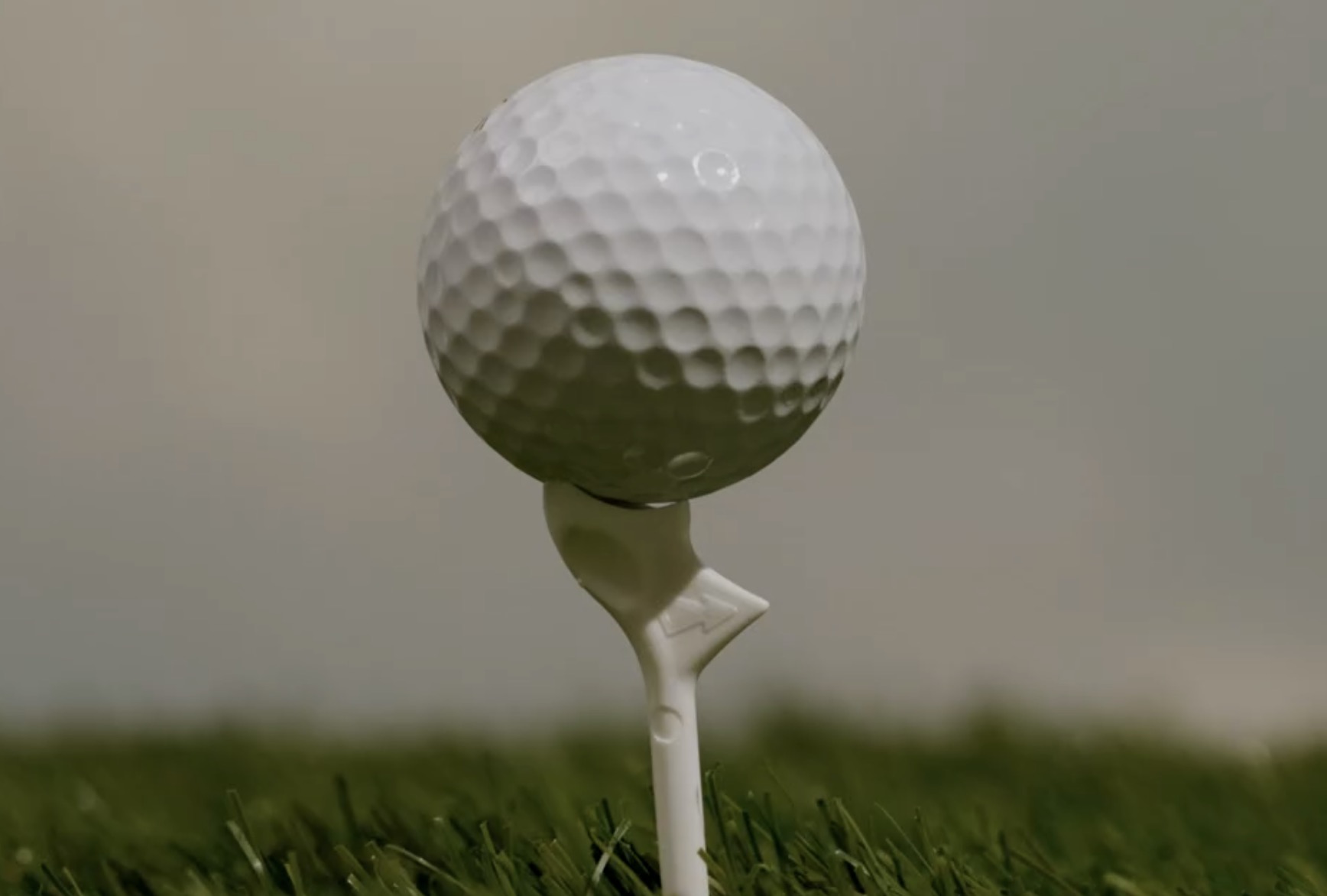
Instead of a flat surface, the tee features an angled platform that gently slopes under the ball. This subtle incline shifts the point of contact, which helps reduce the backspin that usually happens when the club strikes the ball on a traditional tee.
The tee’s head shape is designed with a low-friction cradle that supports the ball with minimal rubbing. This cradle is diamond-shaped and directs the ball’s movement, helping to lower sidespin that can cause shots to stray left or right. By reducing this friction, the tee influences how the ball initially launches.
There is a visual aiming aid built directly into the tee head. This arrow points toward the target and lines up with the ball at address. It acts as a reference to help maintain consistent alignment from shot to shot, so the ball’s starting line can be more reliably repeated.
Made from impact-resistant polycarbonate, the tee has a rigid yet flexible structure meant to withstand repeated strikes. The durable plastic holds its shape to keep the launch platform consistent over many hits. This stable base ensures that the ball sits securely, maintaining the same angle and height whenever the tee is used.
Installation involves placing the ball on the tee before pushing the tee into the ground at a slight backward tilt. This adjusted setup angle encourages the ball to launch with the intended backspin reduction. The tee’s geometry works in sync with the tilt to control how the clubface first contacts the ball.
Mechanical testing, including robotic swing simulations, has measured the spin rates and contact consistency offered by the design.
These tests track reductions in spin compared to standard tees by monitoring the ball’s initial rotation and axis tilt immediately after impact.
Inside the contact zone, the ramp-like platform and cradle combine to change the launch vector. Instead of the ball being pushed straight upward with more friction, it is encouraged to lift with less rotational force. That shift is fundamental to how the tee alters the ball’s behavior at the moment it leaves the tee.
Careful engineering of the tee’s head ensures this altered contact pattern is repeated each time.
Its build avoids the inconsistencies that come from wooden tees breaking or sitting unevenly, so the physical interaction between ball, tee, and club remains steady throughout use.
What It’s Like To Use (A First Hand Experience)
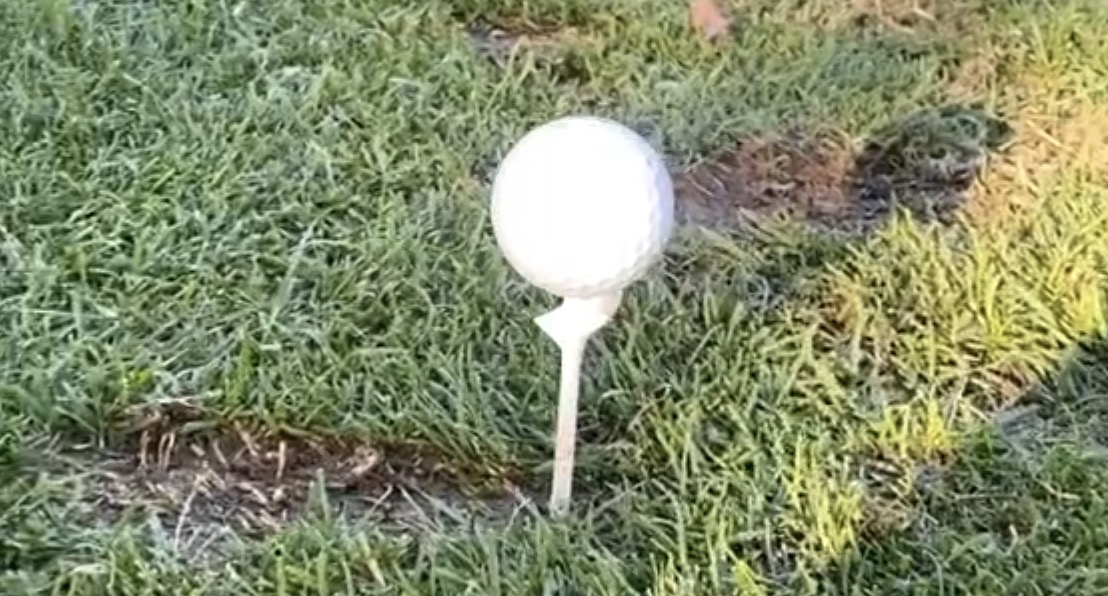
Getting started with FlightPath tees felt a little different than I expected. Instead of just pushing the tee into the ground and then placing the ball on top, I had to put the ball on the tee first, then stick the tee into the turf, and finally tilt it back just a bit. Took a few tries to get the angle and height consistent. That change in routine slowed me down at first, but after some practice on the range, it became second nature.
Once I got the hang of the setup, the aiming arrow on top really helped my alignment.
It was easier to visualize my target line without guessing where to point the tee. That little bit of focus made a difference in my pre shot routine and helped calm some nerves at the tee box.
The feel of hitting off the FlightPath tees is noticeable compared to regular wooden ones. The sound is a bit different, less of a snap and more of a muted pop, and the impact feels firmer under the ball. It took some time to adjust to this change in feel, especially since I’m used to the softer feedback from wood tees. I wasn’t amazed right away, but the consistency made it easier to trust that the tee wasn’t messing with the ball’s flight.
Over several rounds, the durability stood out. Unlike wooden tees that snap after just a few hits, these stayed solid well past the 50 hit mark I estimated at first. Some of the tees have even gone through 100 rounds without cracking or losing shape. Fewer broken tees meant less fumbling for replacements during play, which kept my rounds flowing smoothly.
One thing I noticed after a few uses was the performance in cooler weather. When it got chilly, the polymer felt a bit more brittle.
I was careful to check for tiny cracks before teeing off and replaced a couple that looked worn. Not a huge hassle, but something to keep in mind if playing in colder conditions.
FlightPath tees did seem to help with straighter drives, especially on days when my swing felt steady. The reduction in sidespin felt subtle, but when it clicked, shots flew truer down the fairway. I wouldn’t say this tee fixes swing flaws by itself, but it did make it easier to tell whether a slice or hook was my bad swing or something else.
I also liked how reusable the tees were in practice because I didn’t need to carry a ton of them.
A few combos of these and I was set for multiple rounds. That keeps my bag lighter and cuts down on waste, which mattered more than I thought it would.
Sometimes the smaller size and clear material made the tees a bit tricky to spot in tall or thick grass after a long drive.
I had to keep an eye after drives to avoid losing them. Not a deal breaker, just one of those small things you get used to over time.
Who Is FlightPath golf tees Ideal For?
FlightPath tees suit many kinds of golfers for different reasons.
People who want to improve their game, save time, or reduce waste can all find something useful here. The product works many ways, making it a good match for those with unique needs and habits.
Tech Savvy Distance Seeker Always chasing those extra yards, this player is curious about gear that promises measurable performance gains.
The robotic testing and physics based design behind the tees appeal to their analytical side. They see this as a smart way to boost distance without changing their swing mechanics.
Casual Golfer Looking to Improve This person likes hitting the course on weekends but struggles with inconsistent drives. They want an easy way to get straighter shots without changing their swing or spending hours practicing. Using these tees helps them notice whether their ball flight issues come from their swing or just poor tee contact.
Golf Instructor or Coach Teaching others means spotting the root causes of mistakes quickly. This person likes how FlightPath tees reduce extra spin caused by the tee itself, making it easier to see swing flaws rather than gear issues. It helps them give clear feedback and faster progress for students.
Competitive Amateur Focused on Rules Tournaments matter to this player. They want gear that won’t disqualify them and will give a small edge where possible. The fact that these tees meet USGA and R&A rules makes them a low risk choice during events. The aiming arrow also helps keep their setup consistent under pressure.
Eco Conscious Golfer Who Avoids Waste They try to reduce their environmental footprint in every aspect of life. Wooden tees gone after one use feel wasteful. Using a long lasting, reusable tee fits their values. Plus, carrying fewer tees means a lighter bag and less clutter after a day on the course.
Frequent Player Who Values Durability They play several times a week and get frustrated with wooden tees breaking all the time. This golfer likes to avoid wasting money on replacements and hates stopping mid round to switch tees. FlightPath’s reuse and durability cut down interruptions and clutter in their bag.
My Final Reflections
Trying out the FlightPath golf tees made me think about how much a small part of gear can actually influence how the ball flies. There is definitely a bit of a learning curve with the way you set up this tee compared to regular wooden ones.
That part caught me off guard at first, but once you get used to placing the ball first, inserting the tee, and then tilting it back, it becomes a smooth part of the routine. It is easy to overlook, but that setup step really matters if you want to get the most from the design’s spin reduction.
The difference in feel is noticeable too. It does not feel or sound like a wooden tee, so if you are tied to that traditional sensation, there might be an adjustment period. Still, the durability factor means fewer broken tees mid round, which definitely helps keep your focus. Plus, the built in arrow for alignment is a neat touch. It makes aiming quicker and more consistent, which is hard to undervalue when you are trying to keep things steady under pressure. That kind of subtle help can build confidence over time.
This FlightPath golf tees review gave me plenty to consider about how gear tweaks can influence play without changing your swing. It is probably not for everyone, but those wanting small improvements in distance and accuracy might find it worth the initial effort.
If you are curious and want to try something a bit different that lasts longer and might clean up your tee shots, it might be worth a test on the range. Thanks for reading through this reflection on FlightPath; I can see it fitting naturally into a golfer’s bag with a little patience.
Get FlightPath golf tees Today
I hope this FlightPath golf tees review gave you everything you needed to know. The exclusive reader discount is waiting for you below if you want to give it a try. I appreciate you sticking with me to the end.
↓ Click Here Now